Dube Tradeport, Transnet in talks

Advertising
12-05-2006
Read : 37 times
BusReport
durban - dube tradeport is in talks with transnet to develop rail networks linking gauteng and southern and northern kwazulu-natal to the development being built near durban.
chief executive rohan persad said this week that "we are in early discussions with transnet and spoornet. they are talking because they want to align their strategy with dube."
details must still be finalised and a scoping report would need to be done, preferably by spoornet, persad said.
speaking at a seminar on investment opportunities, dube tradeport project executive ahmed bassa said the cost, which has yet to be determined, of the rail links to dube would be funded by government departments and state-owned entities.
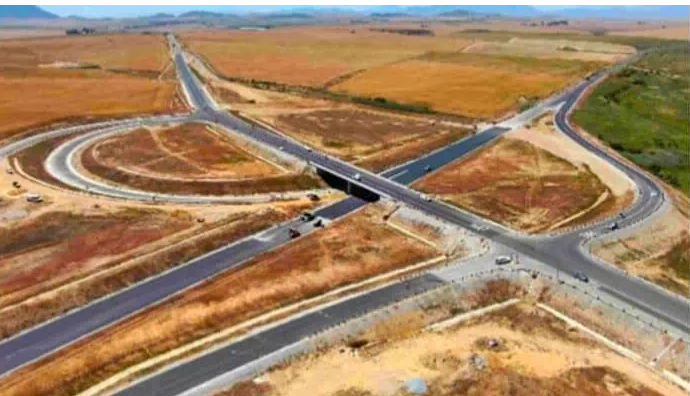
rail infrastructure would include an intermodal rail yard to provide links between rail and road. there is also a possibility that a 1km link will be built from the existing railway line running between southern and northern kwazulu-natal to dube tradeport.
it is planned that the trade port will include automotive and electronic component manufacturers and agroprocessors, and will provide for the storage and distribution of perishable and time-sensitive goods.
"the geographic location of dube, between durban and richards bay, and with links to gauteng transport corridors, is perfect," said bassa, adding that the trade port was well positioned to serve southern africa.
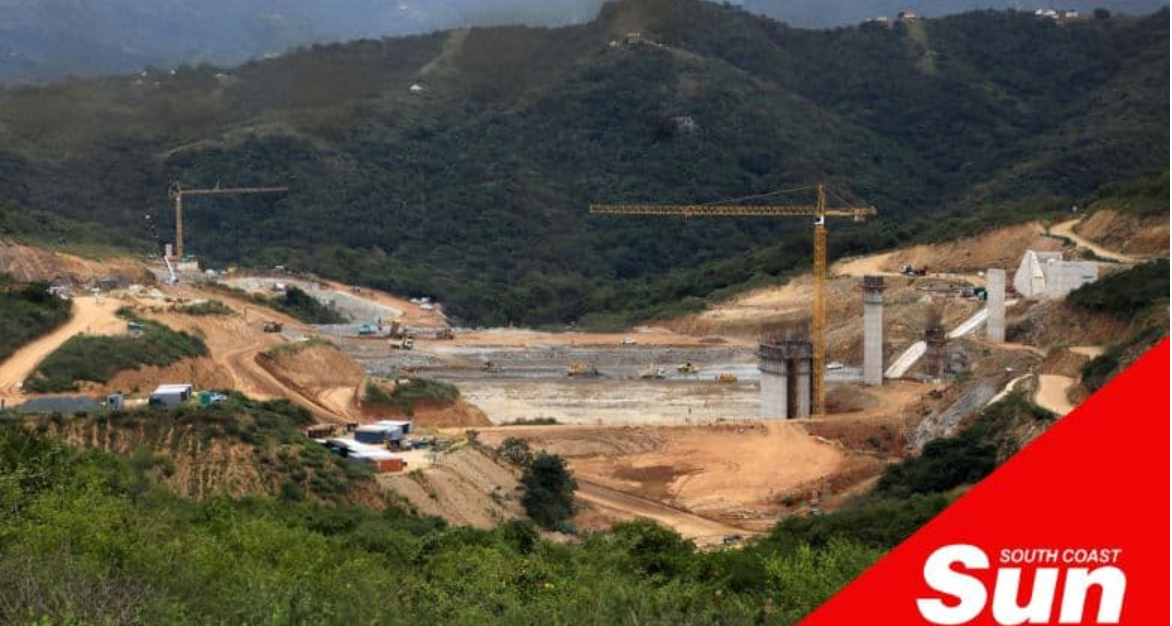
work on the railway links will begin after 2010 in phase two. phase one, which is already under way, will see the construction of a passenger terminal and runway costing between r1.6 billion and r2 billion for the king shaka international airport.
grinaker-lta and group five have been shortlisted to bid for the construction and 12-year maintenance contract of the airport passenger terminal. construction is due to begin in march for completion in 2009.
the terminal's initial capacity would be 7 million people. bassa said passenger forecasts had been revised upwards and the airport would have annual capacity for 22 million people by 2040. the original design was for a 30 000m² terminal.
"this has increased to 60 000m². it could even be more than 70 000m²," he said.
the revisions have been driven by the substantial growth in air travel due to more low-cost carriers and increased business travel supported by economic growth and business confidence.
Recent News
Here are recent news articles from the Building and Construction Industry.
Have you signed up for your free copy yet?