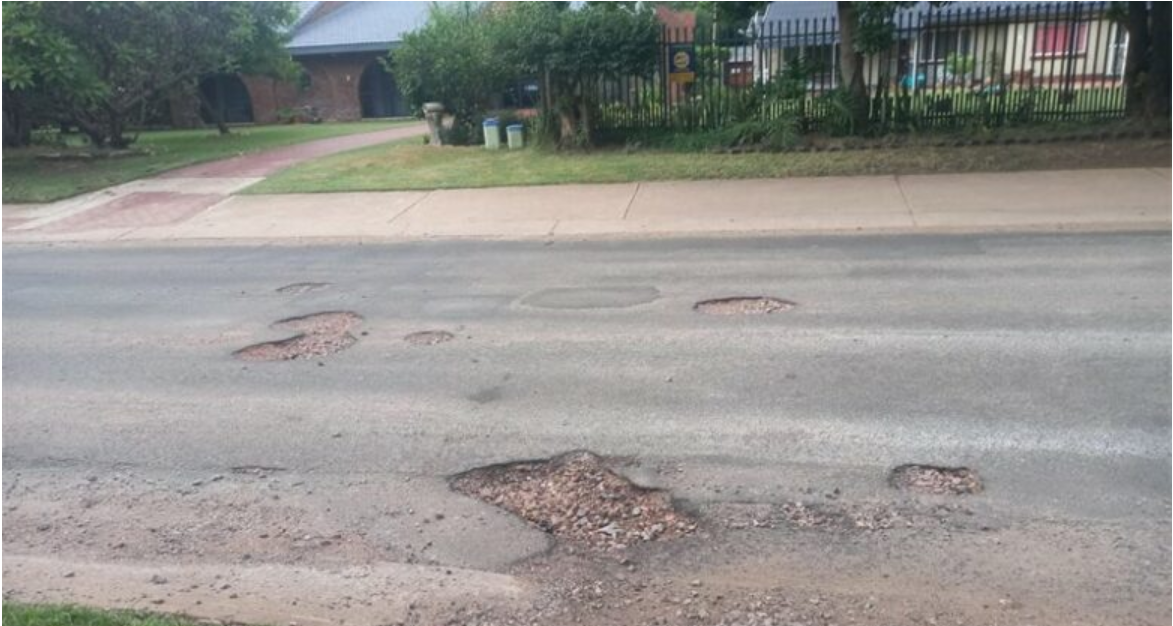
Sinoville roads crumbling faster than repairs can keep up
Advertising
11-06-2026
Read : 8 times
Pretoria Rekord
Source
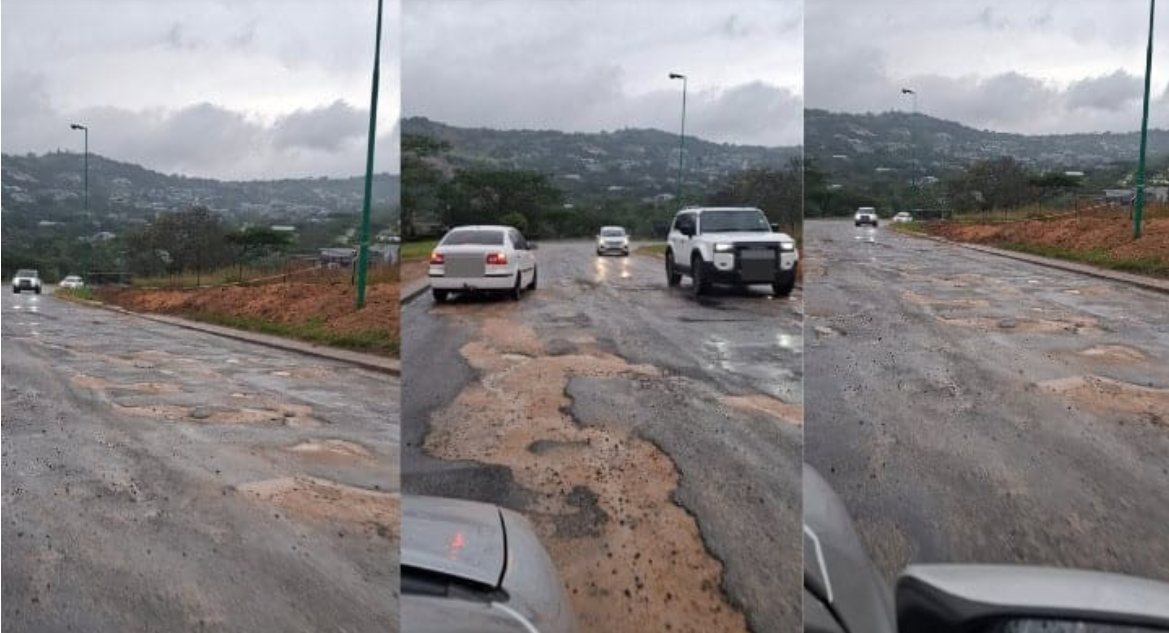
The Tshwane metro has admitted that many roads in Sinoville and surrounding areas have reached the end of their lifespan and require full resurfacing, as frustrated residents and Ward 50 councillor Lenise Breytenbach continue to demand action over recurring potholes and delayed repairs.
Residents of Sinoville and other parts of Ward 50 in the north of Pretoria are demanding urgent intervention from the Tshwane metro after months of reporting potholes that they say continue to worsen despite repeated complaints and repair requests.
The growing frustration has prompted concerns from Ward 50 councillor Lenise Breytenbach, who has been inundated with reports from residents about deteriorating roads, recurring potholes, and what they perceive as slow service delivery.
The affected areas include several residential streets and major routes throughout the ward, including Miriana Street, Matlabas Avenue, Antun Street, Zelda Street, Blyde Avenue and Sefako Makgatho Drive in Sinoville. In Wonderboom, the key roads are Marija Street, Aldo Street, Kaneelbas Avenue and the slipway connecting Braam Pretorius Street to Lavender Road.
And in Montana, there are Veronica and Azanza roads.
According to residents, some potholes have been reported multiple times over several months, with concerns that certain cases were marked as completed while the road conditions remained unchanged.
Breytenbach said residents have become increasingly frustrated by the lack of visible progress and the growing number of potholes affecting daily travel.
“For several weeks, residents have been asking why no repair work appeared to be taking place in Ward 50 while the condition of our roads continued to deteriorate.
“People are concerned about vehicle damage, road safety and the overall state of infrastructure in our communities,” she said.
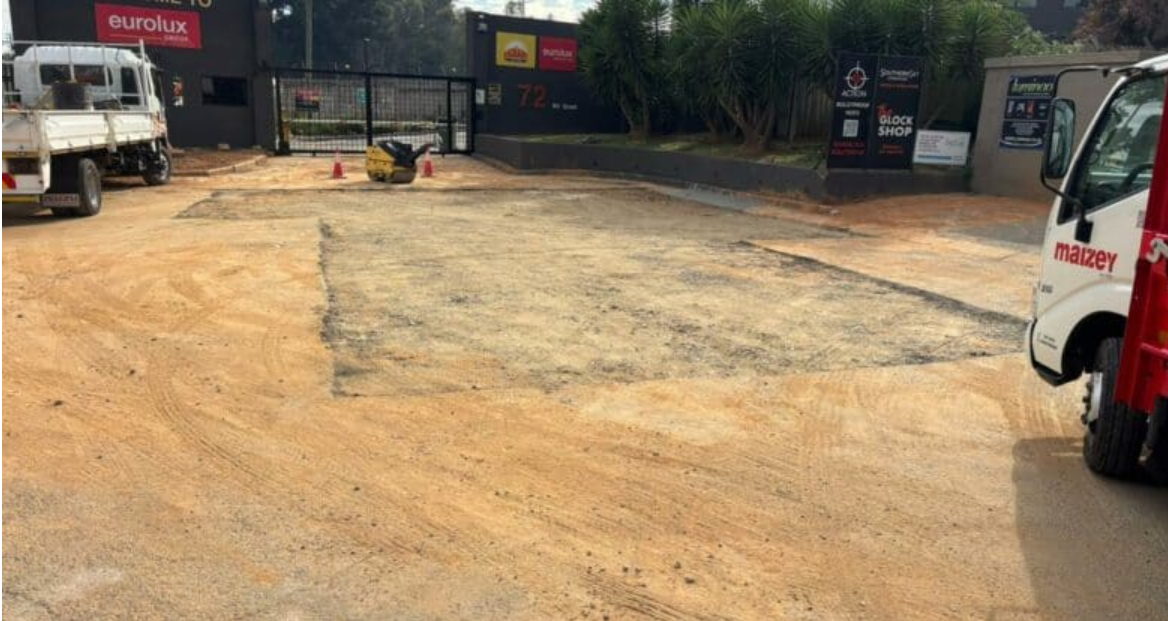
Tshwane spokesperson Lindela Mashigo confirmed that several reported potholes have been repaired, while a number of others remain outstanding and will be included in the metro’s repair schedule.
Mashigo explained that one of the complaints raised by residents had in fact been repaired earlier this year.
However, persistent rainfall and deteriorating road conditions resulted in new potholes forming at the same location, requiring further repairs.
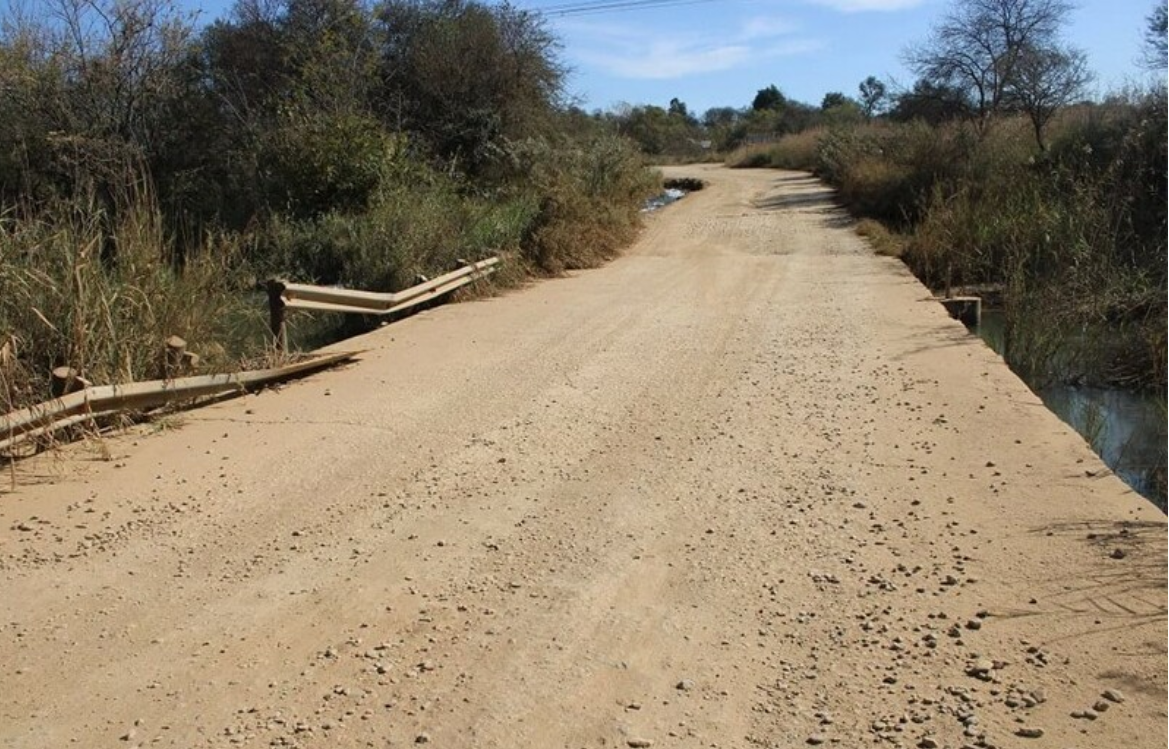
“The road has exceeded its design lifespan, as it was originally constructed for agricultural purposes and can no longer adequately withstand maintenance interventions,” said Mashigo.
The metro has attributed delays in addressing pothole complaints to a combination of factors, including prolonged rainfall, ageing infrastructure and limited resources.
According to Mashigo, persistent rain between October 2025 and May 2026 significantly disrupted pothole repair operations across the region and contributed to a growing backlog of service requests.
He added that many roads in the area have reached the end of their intended lifespan, leading to repeated surface failures even after repairs have been completed.
“Limited repair teams are available to address service backlogs, resulting in the current single team being unable to meet service norms and standards due to the high volume of service requests received,” he said.
Mashigo further confirmed that Ward 50, like many other areas in the region, has experienced service backlogs and budget constraints linked to deteriorating infrastructure.
“The current depot team is unable to address all service backlogs within a short period,” he said.
The municipality nevertheless disputed suggestions that recurring potholes are evidence of poor workmanship or inadequate repairs.
Mashigo said many of the roads can no longer support reactive maintenance because they have exceeded their design lifespan and require full rehabilitation and resurfacing rather than temporary repairs.
He explained that pothole repairs are prioritised according to an integrated maintenance plan.
Roads carrying high traffic volumes, public transport routes and emergency services receive the highest priority, followed by secondary collector routes and residential streets.
He said metro inspections conducted in Sinoville and surrounding areas found that many roads have reached the end of their lifespan and now require extensive rehabilitation and resurfacing.
For residents, the reality remains one of daily frustration, as Sinoville resident Bhekizwe Mkhabela said motorists are paying the price for deteriorating infrastructure.
“Every week there seems to be a new pothole or an old one reopening. Residents are spending money on tyres, wheel alignments and suspension repairs while waiting for permanent solutions,” he said.
Another resident, Susan Naude, said road safety has become a growing concern because some of the potholes are difficult to avoid.
While the metro has committed to including outstanding potholes in its repair programme, Mashigo acknowledged that a permanent solution will require significant investment.
He said recurring potholes will continue to be a challenge until funding is secured for the rehabilitation and resurfacing of roads that have exceeded their design lifespan.
Recent News
Here are recent news articles from the Building and Construction Industry.
Have you signed up for your free copy yet?