Rainbow Junction set to open in stages as final work wraps up
Advertising
23-03-2026
Read : 158 times
Pretoria Rekord
Source
With the final snag work currently underway, the development is expected to be completed by the end of April.
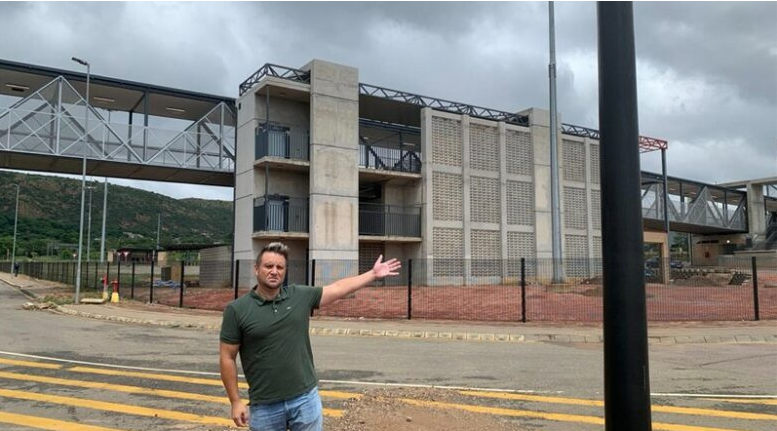
Pretoria North’s long-awaited Wonderboom Intermodal Facility development is nearing completion, with the Tshwane metro confirming that it will open in stages once the final construction snags are resolved.
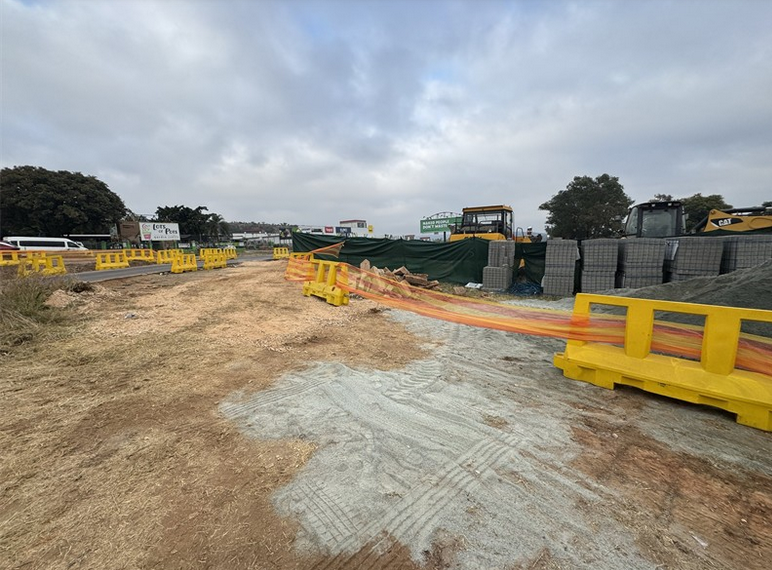
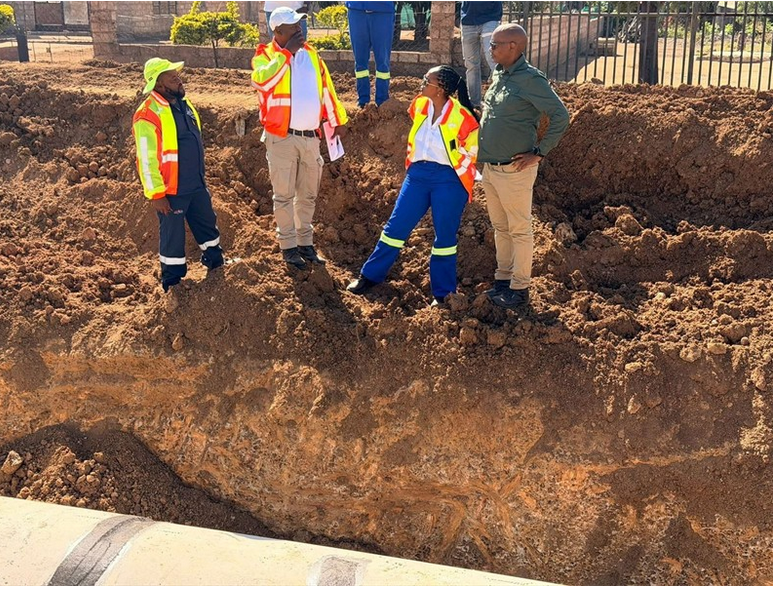
According to metro spokesperson Lindela Mashigo, all major construction work at the facility has been completed and contractors are currently addressing the remaining snag list.
“All construction activities are completed and the list of work identified as snags is progressing,” said Mashigo.
The intermodal transport hub, near Wonderboom Station, forms part of the Rainbow Junction development near Wonderboom, and is expected to play a key role in improving connectivity between Pretoria’s northern suburbs and surrounding townships.
Mashigo explained that the facility will not open all at once, but in phases.
“The facility will be open in stages, prioritising park and ride first, followed by utilising the intermodal facility by the metro’s customers and the community,” he said.
The final snag work currently underway is expected to be completed by the end of April.
Mashigo confirmed that critical infrastructure, such as escalators and lifts, has already been completed.
The facility is designed to integrate several modes of transport into a single hub, making commuting easier for residents from surrounding areas.
The transit-orientated development seeks to connect the residential townships of Ga-Rankuwa, Soshanguve, Mabopane, and Hammanskraal with Pretoria’s CBD.
This 140-hectare Rainbow Junction development represents one of the Tshwane metro’s Strategic Urban Development projects and is designed to bring economic upliftment, improved public transport, and modern urban living to the area.
The project combines cutting-edge design, green-conscious planning, and economic opportunity into one integrated development. It includes a mixed-use environment with residential areas, retail malls, hotels, schools, and conference facilities.
A core component of the development is the Wonderboom Intermodal Facility, which will serve as a critical transport hub, merging bus, taxi, and rail services into a single, accessible location.
The goal of the facility is to make it easy for commuters to change between forms of public transport to reach their destinations.
Mashigo said the facility has been designed with universal access in mind.
“The facility has ramps and lifts to accommodate people with special needs, and the designs were reviewed and approved by a universal design specialist.
“More work is still required to ensure full accessibility. Recommendations by the universal design specialist have been included in the snag list,” he said.
In terms of employment, Mashigo said about 150 people have been temporarily employed since construction began.
“The current metro employees will execute their daily duties in the facility and TRT personnel that was outsourced to run bus operations on behalf of the city,” he said.
The metro believes the development will help attract further investment into the area.
Mashigo said improved public transport infrastructure will play a key role in encouraging economic activity around the development.
“Accessible, safe, reliable and well-maintained public transport facilities with increased awareness and customer information,” he said, referring to measures aimed at attracting businesses and residential developments to the area.
The development has also involved engagement with local communities and stakeholders.
Mashigo said issues such as community interference and land disputes that previously caused delays were resolved during construction through different processes, including stakeholder engagements, meetings and following rezoning processes.
Consultations with residents and informal traders are also continuing, aiming for local economic development.
Environmental sustainability has also been incorporated into the project. Mashigo added that landscaping work will form part of the final stages of construction.
“Landscaping work will be carried out, planted trees, self-ventilated station, sustainability measures include efforts to reduce environmental impact and by reducing emissions, utilisation of renewable energy,” said Mashigo.
For many commuters in Pretoria North, the completion of the facility cannot come soon enough.
Sebenzile Gomba, who frequently travels to Menlyn for work, said she currently parks her car in an open field near the Hector Pieterson bus station before catching an A Re Yeng bus because it is more affordable than other transport options.
Despite the cheaper mode of transport, Gomba worries about the safety of his vehicle.
“There is security visible in the area, but you always worry when your car is parked in an open space for the whole day. I’m hoping the new park-and-ride facility will make things safer,” added Gomba.
Lex van Dyk, a resident, said the development is long overdue and could make commuting easier for many residents in the northern parts of Pretoria.
“If this facility helps connect buses, taxis and trains in one place, it will make life easier for many commuters,” he said.
The Rainbow Junction development was originally expected to reach practical completion in March 2021. However, the project experienced several delays due to the Covid-19 pandemic, financial challenges faced by contractors, land expropriation disputes, and community interference.
Recent News
Here are recent news articles from the Building and Construction Industry.
Have you signed up for your free copy yet?