| Metric | Value | Year-on-Year Change |
| Revenue | R2.7 billion | ↑ 21% |
| Profit for the period | R254.5 million | ↑ 9% |
| Recurring HEPS | 56.44 cents | ↑ 41% |
| Earnings per share (EPS) | 52.36 cents | ↑ 5% |
| Headline EPS (HEPS) | 47.72 cents | ↑ 4% |
| Net Asset Value (NAV) per share | 976.89 cents | ↑ 7% |
Private developers paying billions for Ramaphosa’s new Smart City in South Africa
Advertising
12-05-2026
Read : 14 times
Business Tech
Source
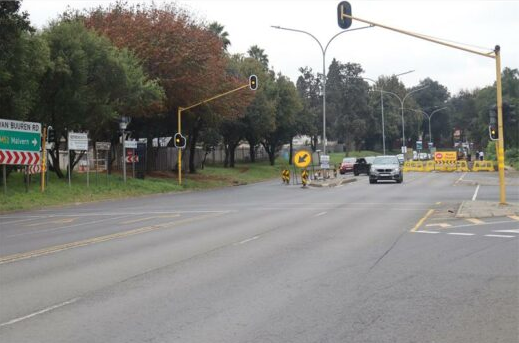
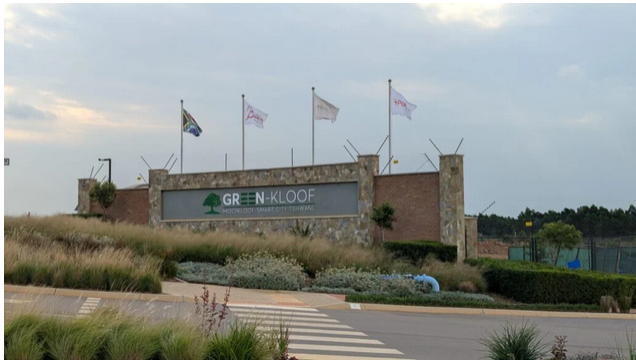
Balwin Properties continues to pump large amounts of money into the Mooikloof Smart City Development—even for infrastructure that the state was supposed to build.
Mooikloof Smart City was announced in 2020 by President Cyril Ramaphosa as one of the government’s Strategic Integrated Projects (SIPs).
Located next to Garsfontein Road on the outskirts of Pretoria East, the development is anticipated to have a total investment value of R84 billion upon completion.
As per the development, Balwin Properties is developing over 14,000 residential units in the smart city. Parts of the development are now occupied.
Balwin secured a R1 billion loan from the World Bank’s International Finance Corporation (IFC) in 2025 to advance the project.
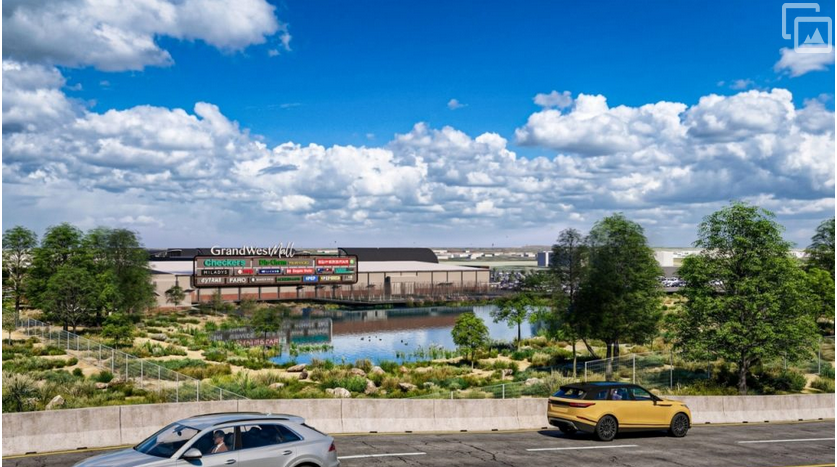
Construction has also started on the Greengate Lifestyle Centre, which is set to open in April 2027, bringing retail to the Smart City. The retail development is led by the Moolman Group.
The development is coming at a massive cost to developers, with Balwin noting a significant increase in costs.
In its latest financial results for the year ended 28 February 2026, Balwin said that developments under construction increased to R6.9 billion.
“The increase was predominantly concentrated in the Tshwane node, driven by infrastructure expenditure for the next phase of the Mooikloof Smart City development,” it said.
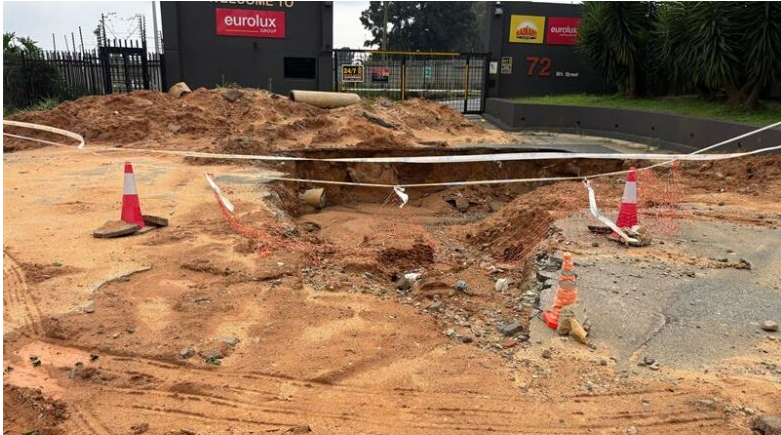
While the state is supposed to handle infrastructure development as per the initial agreement, Balwin has handled this aspect so far.
MyBroadband previously reported that the City of Tshwane was not part of the development, claiming it lacked the funds. Balwin was under the impression that funding would come from the National Treasury.
Balwin’s Financials
Despite the challenges at the Mooikloof Smart City, Balwin’s latest financials were somewhat upbeat.
“The 2026 financial year reflects a meaningful recovery from what was our toughest trading
period since the business was founded in 1996,” said CEO Steve Brookes.
“The improvement in this year’s numbers should therefore be seen in the context of the very low base set in 2025, but also in the context of a macro-economic cycle that has remained uneven.”
The group’s revenue growth was driven by apartment handovers and improved market conditions. Revenue jumped by 21% to R2.7 billion.
The increase in revenue was driven by improved residential market conditions and a recovery in apartment sales.
Revenue from the sale of apartments rose by 22% to R2.4 billion, underpinned by a 17%
increase in apartment handovers, with 2,053 apartments recognised in revenue.
The Western Cape was the largest regional contributor, accounting for 54% of revenue from the sale
of apartments.
The group’s earnings per share also increased by 5% to 52.36 cents per share, while headline earnings per share rose by 4% to 47.72 cents.
Its net asset value per share also rose by 7% to 976.89 cents per share. It did not declare a dividend, with the group focusing on prudent capital allocation and reducing debt exposure.
“The board will continue to monitor local and international market conditions and will reassess the appropriateness of declaring a dividend for the 2027 financial year.”
Outlook
Looking ahead, Balwin said that demand for high-quality, affordable and lifestyle-oriented residential apartments remained aligned with the underlying fundamentals of the South African housing market.
That said, the group remains cautious over its outlook despite the operating environment having improved materially from the prior year.
It said that renewed global and domestic inflation risks could affect affordability and consumer confidence.
“Balwin has come through a difficult cycle with a stronger operational base, a clearer focus on cost
and capital discipline, and a product offering that remains highly relevant to the market,” said Brookes.
“The inflationary impact of recent fuel-price increases has not yet fully filtered through to consumers, and rising interest rates over the medium term remain a real possibility.”
The CEO said that the priority will be to protect cash, reduce debt exposure over time, and constrain operating and development costs.
He added that the group will also look to convert a stronger sales environment into sustainable earnings, improved margins and stronger returns on invested capital.
Sign up for Free Daily Building and Construction News
Recent News
Here are recent news articles from the Building and Construction Industry.
Have you signed up for your free copy yet?