Philippi water infrastructure upgrade to secure supply for decades
Advertising
30-06-2026
Read : 213 times
Cape Town Etc
Source
Cape Town’s expanding MyCiTi bus network is doing more than improving public transport. Beneath Govan Mbeki Road, a major investment is taking shape that will strengthen water security for thousands of residents across the metro, Cape {town} Etc reports.
As construction continues on the second phase of the MyCiTi roll-out, the City of Cape Town is replacing ageing water infrastructure in Philippi and Browns Farm with new pipelines designed to serve communities for generations.
New water pipelines to replace ageing infrastructure
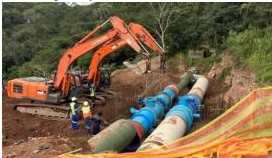
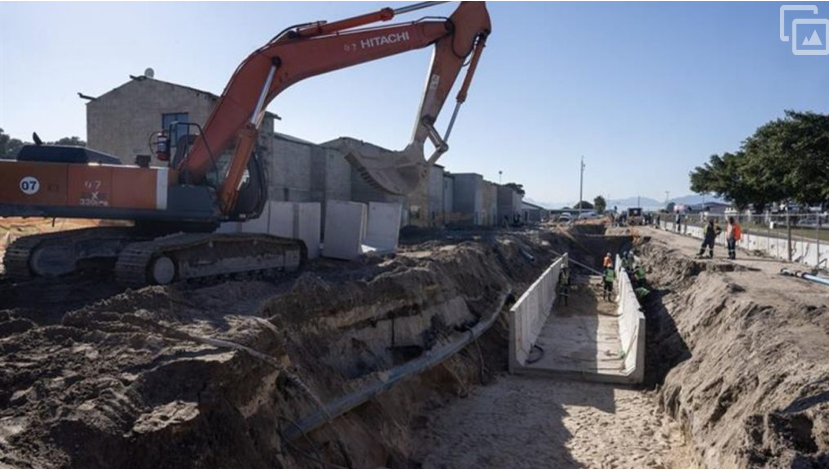
The project includes the replacement of a bulk water main that has been in service for more than 100 years. In its place, the City is installing a new 4.6km bulk water pipeline, along with a 4.6km reticulation main running along both sides of Govan Mbeki Road between NY72 and Klipfontein Road.
Once completed, the upgraded network will strengthen water supply to Philippi, Philippi East, Gugulethu and neighbouring communities, while the bulk pipeline will continue supplying parts of Cape Town’s southern peninsula.
According to the City of Cape Town, the new reticulation infrastructure is expected to support reliable water provision for at least the next 60 years.
MyCiTi construction creates an opportunity for long-term improvements
While the MyCiTi expansion is primarily aimed at improving public transport, City officials say the large-scale roadworks also provide an ideal opportunity to modernise underground infrastructure.
Rather than reopening roads at a later stage, the City is replacing ageing water mains alongside other essential services, including sewer infrastructure, stormwater systems and high-voltage electricity cables, while construction is already under way.
Mayoral Committee Member for Urban Mobility, Councillor Rob Quintas, said the project is designed to leave a lasting legacy beyond transport by strengthening the City’s critical infrastructure and supporting Cape Town’s growing population.
Challenging conditions underground
Installing the new pipelines is no simple task.
The bulk water main is being laid in trenches reaching up to 3.5 metres deep and five metres wide. High groundwater levels, difficult soil conditions and the depth of the excavations require careful planning to minimise disruption to existing services.
The reticulation pipelines are installed in shallower trenches of up to 1.2 metres.
The first phase of construction, between NY72 Road and New Eisleben Road, is expected to be completed by November 2026. Work on the second section, extending to Klipfontein Road, is scheduled for completion by November 2027.
Once installation is complete, responsibility for operating and maintaining the new infrastructure will be handed over to the City’s Water and Sanitation Directorate.
More than buses
The second phase of the MyCiTi programme is expected to introduce scheduled bus services linking communities in the metro south-east with Wynberg and Claremont. If construction remains on schedule, the first buses are expected to begin operating during the second half of 2027.
Beyond the transport improvements, projects like this highlight how major infrastructure developments can also strengthen essential municipal services. For many residents, the long-term benefits may be felt not only through improved mobility, but also through a more reliable water network built to meet the city’s future needs.
Although roadworks often bring temporary inconvenience, similar City infrastructure projects have regularly sparked discussions on community forums and social media, where residents balance frustration over construction delays with optimism about long-term service improvements. The latest upgrades are expected to deliver benefits that extend well beyond the MyCiTi route itself.
Recent News
Here are recent news articles from the Building and Construction Industry.
Have you signed up for your free copy yet?