Olievenhoutbosch Police Station progress awaits metro land transfer
Advertising
13-04-2026
Read : 10 times
Pretoria Rekord
Source
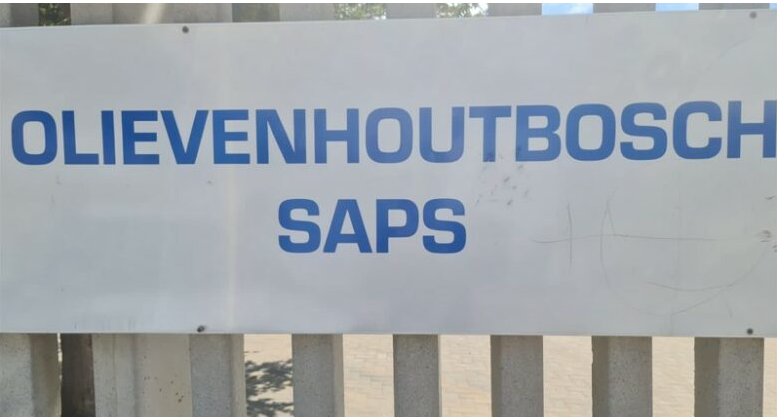
The Department of Public Works confirmed plans for a permanent SAPS station in Olievenhoutbosch, Pretoria, are finally on its way. While the project is in early planning, site clearance and community consultations are underway, promising enhanced safety and law enforcement services for the suburb.
Progress is slowly being made toward a permanent police station in Olievenhoutbosch, even as the project remains contingent on the metro finalising the transfer of land to the Department of Public Works and Infrastructure (DPWI).
Olievenhoutbosch is a rapidly growing suburb near Centurion.
Site establishment processes, including rezoning, environmental assessments, and planning, have already begun, signalling early momentum in a project long anticipated by residents who rely on a small satellite facility for policing services.
“The Department of Public Works and Infrastructure confirms that a process has been initiated to facilitate the development of a permanent SAPS station in Olievenhoutbosch, following the metro’s resolution to make land available for this purpose,” said Lennox Mabaso, spokesperson for DPWI. “However, the land has not been formally transferred to public works as yet.”
The project has been registered with Town Planning Services to begin the site establishment phase.
This phase includes rezoning, consolidation of multiple land parcels, environmental impact assessments, and compliance with the Spatial Planning and Land Use Management Act.
Mabaso explained that these preparatory steps form part of the broader site clearance phase, which must be completed before any construction planning can begin.
While these steps mark progress, the timeline for actual construction remains uncertain.
“The formal transfer and vesting of the land by Tshwane to the State is still required before detailed planning and implementation can proceed,” Mabaso said.
“As such, it is not yet possible to provide a confirmed timeline for construction. However, the site clearance and preparatory processes are expected to take up to 12 months, subject to all statutory approvals being obtained.”
Funding for construction has also not yet been allocated.
Mabaso clarified that the SAPS is responsible for determining operational requirements, conducting needs assessments, and allocating budgets.
“DPWI will proceed with infrastructure planning and implementation once these processes have been concluded, budgets have been confirmed by SAPS, and the necessary approvals are in place,” he said.
Residents have long wondered how the permanent station will differ from the current satellite facility.
Mabaso explained that the design and scope of the new station will be guided by SAPS operational requirements.
“The current satellite facility was established as an interim measure and was not designed as a permanent police station. The new station will be fully equipped to meet the operational demands of the community, with design and facilities guided by SAPS’ needs assessment,” he said.
Staffing levels, specialised units, and operational planning remain the responsibility of SAPS.
“Similarly, decisions regarding the continued operation of the existing satellite facility during construction will be guided by SAPS as part of its service delivery planning,” Mabaso added.
This ensures essential services continue uninterrupted while planning and construction are underway.
Compliance with legislative and regulatory requirements is a priority.
Mabaso highlighted that DPWI will adhere to all relevant laws, including the Spatial Planning and Land Use Management Act.
“A Site Clearance Certificate will only be issued once all required studies and approvals have been completed,” he said.
Community engagement is also central to the project.
“The department will apply the Integrated Social Facilitation Framework for Government Projects, which provides for structured stakeholder engagement, participation, and co-ordination to support effective project delivery,” Mabaso explained.
Residents will thus have opportunities to provide input throughout the process.
At present, no specific legal, environmental or procurement challenges have been identified.
“However, the department has established internal capacity to address such matters should they arise during the course of the project,” Mabaso said, demonstrating preparedness to manage unforeseen obstacles.
Accountability and transparency are built into the process.
“The project will be implemented in line with DPWI’s governance frameworks, including enhanced project management oversight and stakeholder coordination mechanisms,” he said.
Recent News
Here are recent news articles from the Building and Construction Industry.
Have you signed up for your free copy yet?