No missing R12bn assets, metro says
Advertising
19-06-2026
Read : 5 times
Pretoria Rekord
Source
Mayoral spokesperson Samkelo Mgobozi Tshwane argues that the figure relates to historical infrastructure projects recorded as Assets Under Construction.
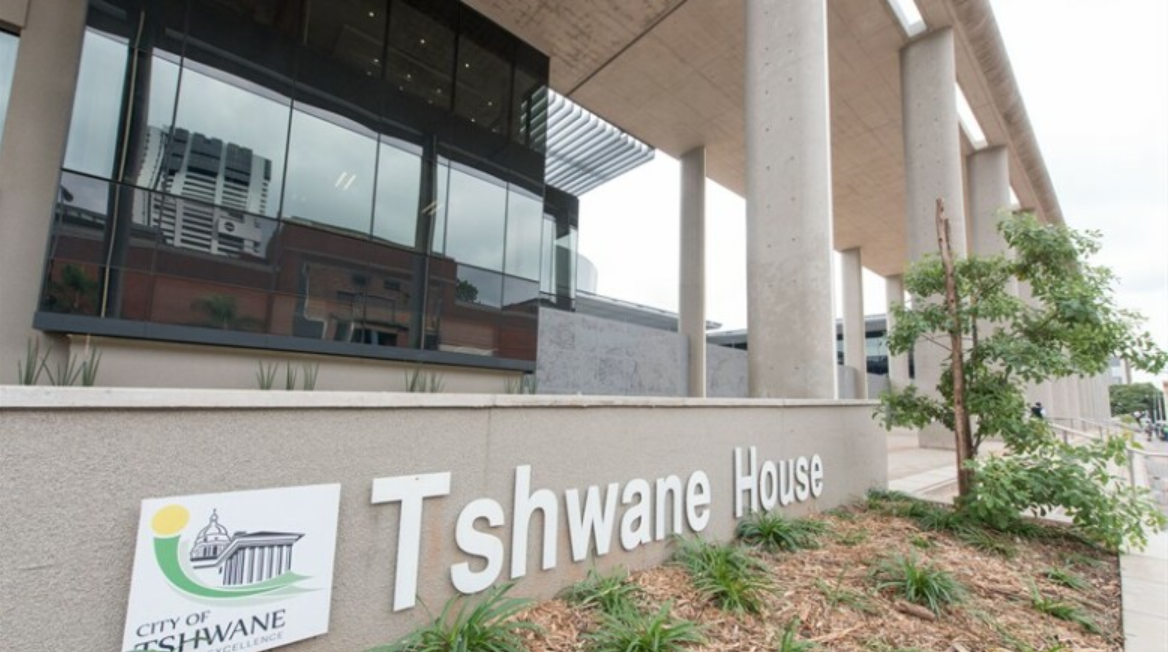
The Tshwane metro has rejected allegations that about R12-billion worth of municipal assets are missing or unaccounted for, describing the claims as a misunderstanding of how infrastructure projects are recorded and managed.
The dispute follows after Freedom Front Plus (FF+) councillor Nick Pascoe, who described the situation as a ‘R12.2-billion asset crisis’ and called for an independent forensic investigation into the city’s asset management practices.
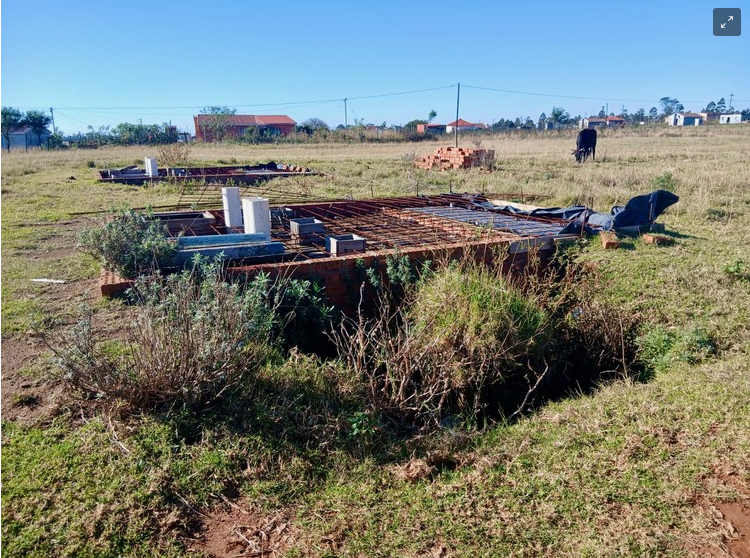
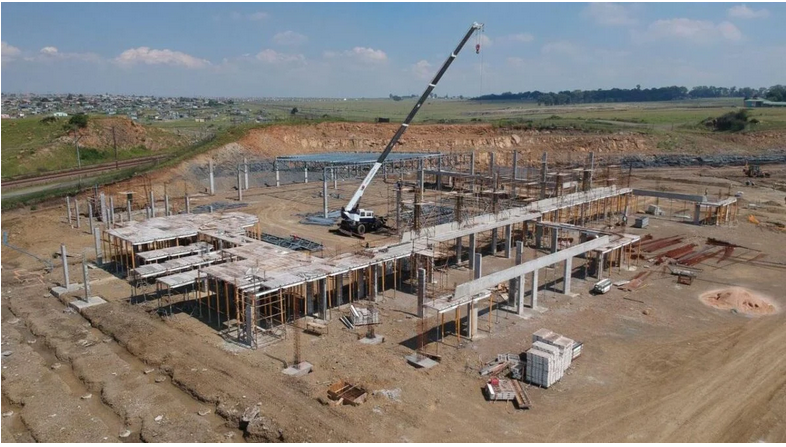
According to Pascoe, a report by Tshwane’s Strategic Asset Management Committee (SAMCO) revealed that about R12.2-billion is tied up in projects that have been completed, partially completed, or planned and funded, but have not yet been transferred onto the city’s official asset register.
Pascoe argued that the delays amount to administrative negligence and have serious implications for service delivery.
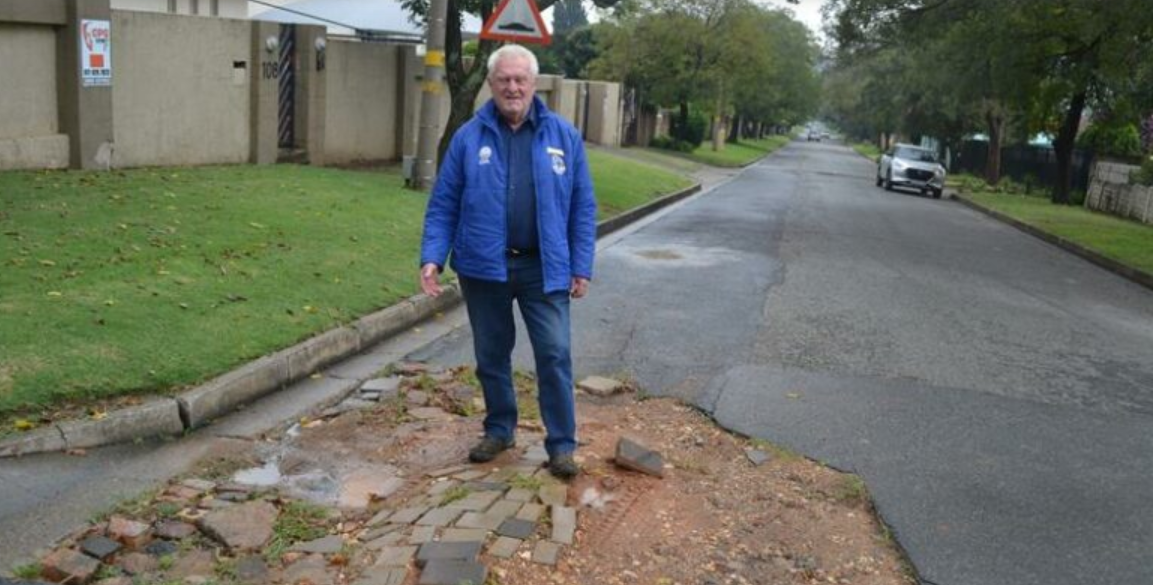
“While residents must contend with crumbling roads, dark streets and stalled housing projects on a daily basis, completed or partially completed projects are not legally transferred,” he said.
He further alleged that because these projects do not appear on the active asset register, they may not be properly maintained or insured, resulting in further deterioration and increased future costs to taxpayers.
“This basically means that taxpayers pay twice: first for the initial construction and then again for the repair of damage that occurred in the interim,” said Pascoe.
The FF+ has called for an independent forensic audit to determine responsibility for the delays and to review the city’s project management model.
However, Tshwane mayoral spokesperson Samkelo Mgobozi rejected the assertion that the municipality is dealing with missing assets.
“The figure of approximately R11.4-billion that has been cited publicly is simply a historical snapshot of the city’s assets under construction balance at a particular point in time. [It] should not be interpreted as the current value of the portfolio or as a measure of missing assets,” said Mgobozi.
He explained that assets under construction are projects that remain recorded within the city’s financial systems while they are being completed or awaiting capitalisation in accordance with accounting standards.
“An assets under construction balance is a normal feature of any municipality that is continuously investing in service delivery infrastructure. The balance changes constantly as projects are completed and capitalised, written off where they are no longer viable, and as new infrastructure projects commence,” he said.
According to Mgobozi, a significant portion of the historic balance consists of legacy projects dating back more than 20 years. Some were never completed due to funding constraints, while others remained in planning phases for so long that their original designs became obsolete.
“The issue before the city is therefore not one of missing assets, but rather the resolution of historical projects that have remained on the assets under construction register for many years. [They] must now either be completed and capitalised or written off in accordance with the applicable accounting standards,” he said.
The metro also disputed claims that projects are absent from its records.
“There is no backlog of projects that are unrecorded in the city’s books. Every project in question is recorded as an asset under construction and tracked individually through the city’s ERP system,” said Mgobozi.
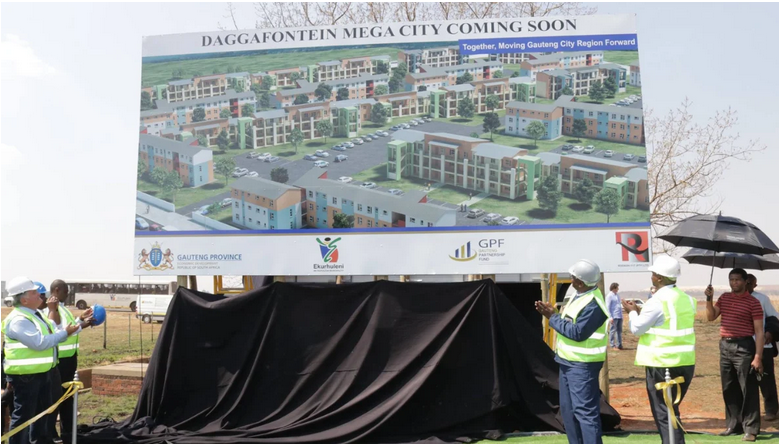
Mgobozi said the assets under construction portfolio includes a wide range of infrastructure projects, including roads, electricity networks, water and sanitation systems, housing developments, community facilities, and municipal buildings.
He acknowledged that the management of historic assets under construction balances remains an issue raised by the Auditor-General of South Africa.
He said the metro has adopted a five-year programme aimed at resolving the backlog.
“The programme focuses on completing and capitalising viable projects while writing off projects that are obsolete or can no longer reasonably be implemented.”
According to Mgobozi, about R3-billion worth of projects have already been capitalised as part of the intervention.
Mgobozi said delays in capitalising some projects stem largely from historical circumstances, including incomplete projects, funding shortages, and long-standing planning processes.
In terms of accounting standards, projects can only be transferred onto the municipal asset register once they are practically complete, all compliance requirements have been met, and the necessary documentation has been approved.
He further rejected the FF+ call for a forensic investigation.
“There is no basis for a forensic investigation because there is no evidence of missing assets, financial misconduct or irregular accounting,” said Mgobozi.
“The matter relates to the management of historic assets under construction balances and the implementation of a structured programme to either complete and capitalise these projects or write them off where they are no longer viable.”
Recent News
Here are recent news articles from the Building and Construction Industry.
Have you signed up for your free copy yet?