Modular construction moves into larger infrastructure projects
Advertising
10-09-2026
Read : 4 times
Cape Business News
Source
SOUTH Africa’s modular building market is moving beyond temporary site offices and accommodation as companies consider prefabricated structures for longer-term infrastructure projects.
Demand now extends across mining, agriculture, renewable energy, education and healthcare, while projects are placing greater requirements on structural performance, compliance and lifespan.
Ashley Adams, Cape Town Regional Branch Manager at Kwikspace, said the shift in the market has been from temporary structures towards more permanent infrastructure solutions.
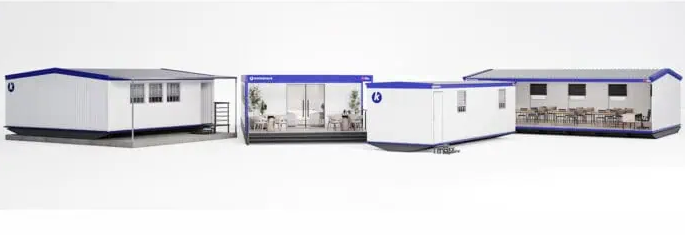
The company has supplied mobile clinics, classrooms, mine camp accommodation and government infrastructure, with modular buildings increasingly being considered for projects that may previously have used conventional construction.
Delivery time remains part of the business case
Construction time remains one of the reasons companies consider modular buildings.
Kwikspace offers rental units with delivery times of between five and 14 working days. Purchased units can be supplied fully erected or in kit form for assembly on site.
The latter has applications in industries operating in remote areas, where moving construction teams and materials to site can add time and cost to a project.
“Our Cape Town branch works closely with producers and suppliers across the Western Cape,” Adams said.
“Agricultural clients often operate in areas where timelines are tight and access is limited. That’s exactly where modular solutions excel.”
Clients are also looking beyond delivery time when assessing modular projects. Kwikspace rates its units for a minimum lifespan of 20 years and uses polyurethane foam insulation and Aluzinc painted steel cladding.
For procurement teams, lifespan becomes important when comparing the cost of modular infrastructure with a conventional building over the period it will be used.
Solar projects raise technical requirements
The type of work going to modular suppliers is also changing.
Kwikspace recently designed and supplied two 450m² Operation and Management facilities for the Graspan and Grootspruit solar photovoltaic projects in the Free State and Northern Cape.
The buildings had to meet 30-minute fire-rating requirements under SANS 10400 and undergo seismic analysis in line with SANS 10160 and EN1998-1.
Kwikspace developed load-bearing wall panels capable of supporting 12.8kN each, removing the need for a traditional steel portal frame. The company said the completed design matched, and in some cases exceeded, the load-bearing capacity of conventional brick-and-mortar buildings.
For the modular sector, projects of this nature are important because they put the construction method into tenders where engineering specifications and regulatory compliance form part of the procurement decision.
Rental market moves beyond construction sites
The rental side of the market is also finding applications outside the construction and mining sectors.
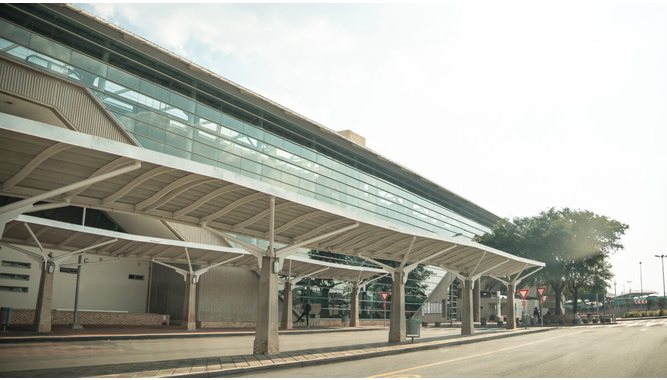
Kwikspace recently supplied a modular lounge to an aviation company for international passengers arriving in South Africa.
The facility accommodates about 30 passengers and includes management offices, ablutions, a kitchen and veranda.
The design can be adapted for uses including cafeterias, convenience stores and mining canteens.
Renting gives businesses the option of adding facilities without purchasing a building outright, particularly where the requirement is linked to a project, contract or changing demand.
Financing and perceptions remain hurdles
Despite the broader applications, Adams said perceptions about the lifespan of temporary structures remain a barrier to wider use of modular construction.
Financing and assumptions about design limitations also affect uptake.
This becomes relevant when businesses compare building options at the capital planning stage. Modular construction still has to compete with conventional building methods on cost, financing, lifespan, regulatory requirements and suitability for a particular site.
Education is one sector where Kwikspace expects continued demand. Schools and tertiary institutions can use modular buildings to add classrooms and other facilities where enrolment growth creates pressure on existing infrastructure.
The bigger commercial opportunity, however, lies in getting modular construction considered before a project reaches the procurement stage.
Projects such as the Graspan and Grootspruit facilities show that modular suppliers are competing for work with structural and compliance requirements that extend beyond temporary buildings.
Recent News
Here are recent news articles from the Building and Construction Industry.
Have you signed up for your free copy yet?