How upgrading from gravel to tar roads is skyrocketing South African property values
Advertising
06-07-2026
Read : 7 times
IOL
Source
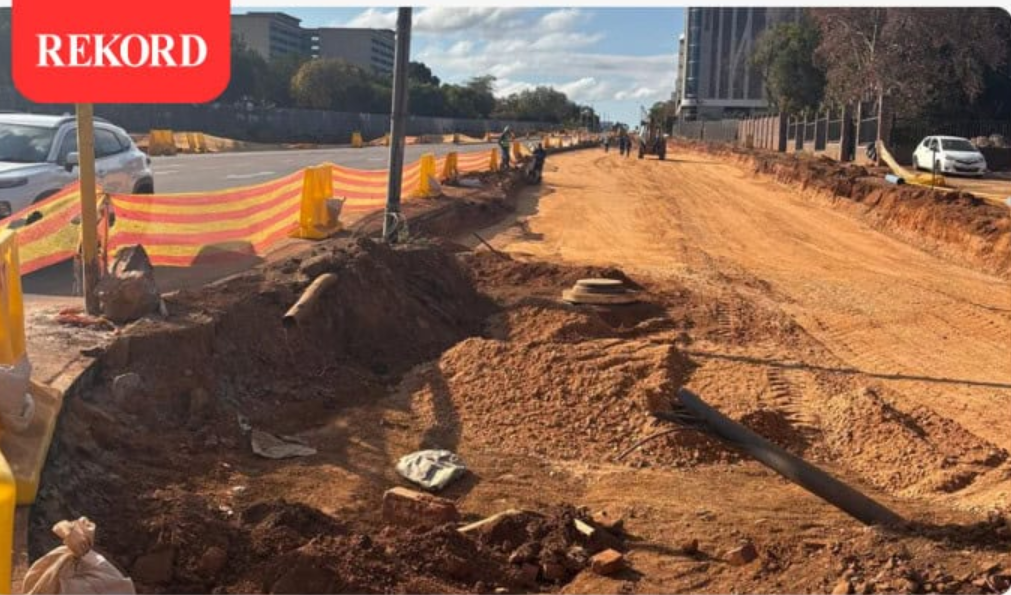
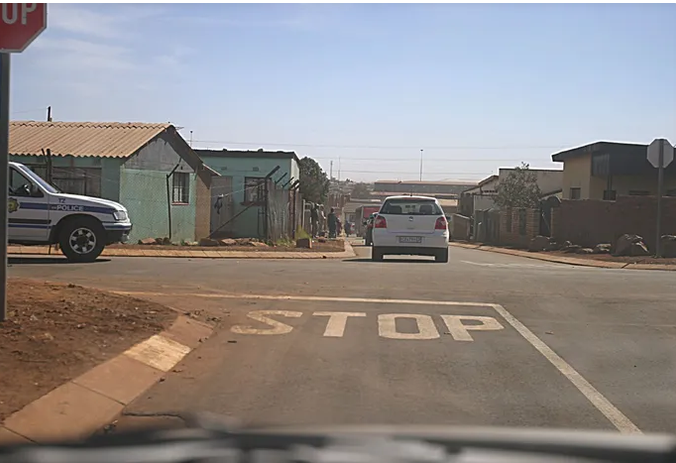
A tarred road does not just connect places-it unlocks value.
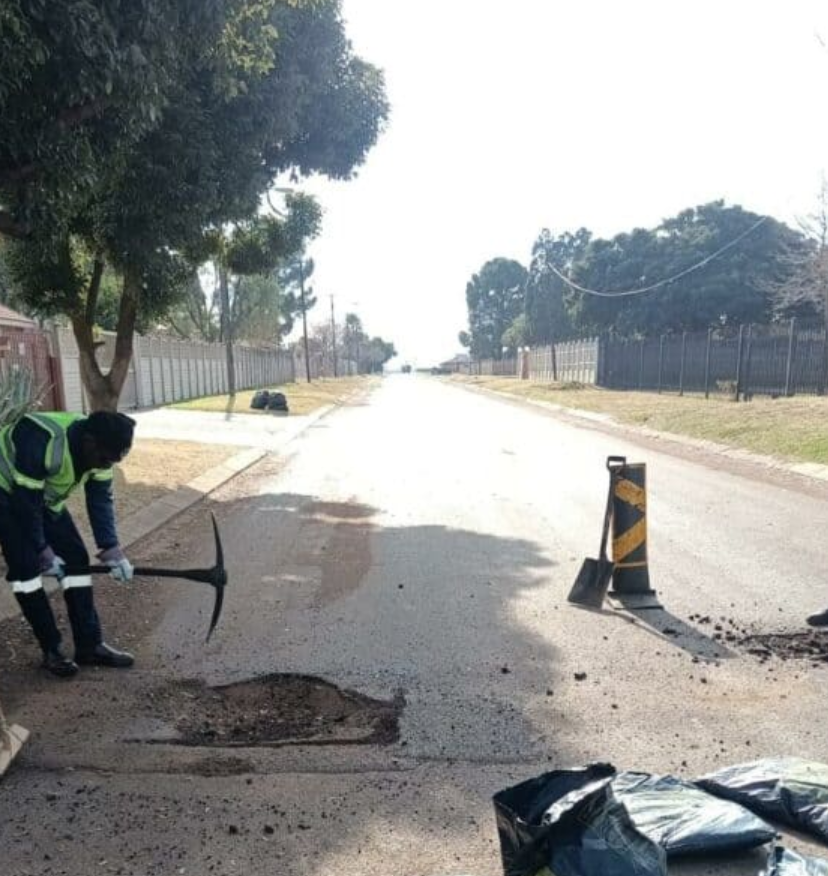
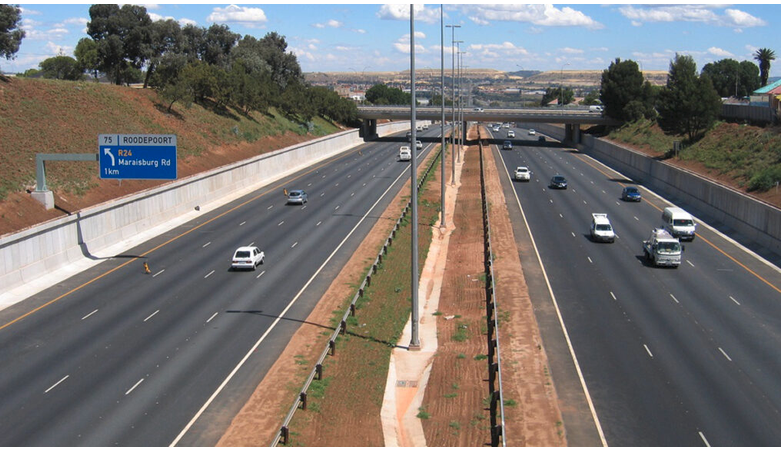
Across South Africa and Africa, upgrading from gravel to tar can significantly increase surrounding property values -sometimes by double-digit percentages in just a few years, says the Gap Infrastructure Corporation (GIC).
It's not just about the road itself. It's about what the road enables.
The infrastructure developer noted this is because infrastructure changes how people live, move, and invest.
It says that when accessibility improves, there is shorter, safer, and more reliable travel that leads to costs decreasing.
“This means less vehicle damage and lower transport friction. Confidence rises as visible investment signals future growth. Opportunity then expands, and land becomes viable for development. It's not just about the road itself. It's about what the road enables,” the GIC says.
For developers, municipalities, and investors, GIC says this is the real takeaway: Well-placed infrastructure does not follow growth-it creates it.
“The question isn't whether roads add value. It's whether the country is building them where that value can multiply.”
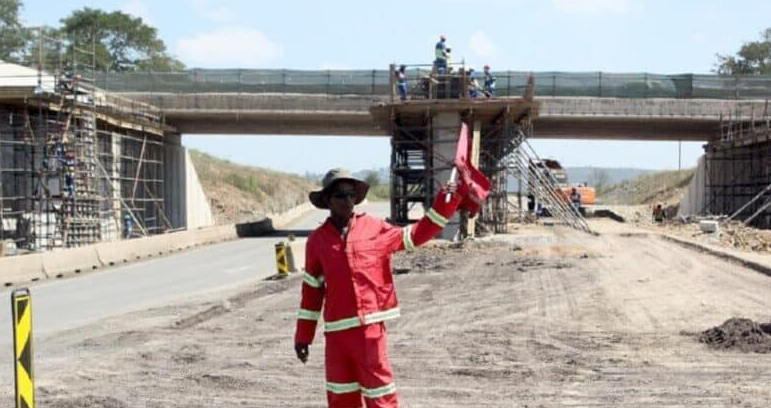
Today, the construction sector is leaner and more specialised.
According to Dianne Davies, an independent advisor, South Africa's construction industry tells a remarkable story of growth, resilience and reinvention. #
She says over the past five decades, the sector has helped shape the country's roads, bridges, power stations, mines, ports, commercial developments and housing, while also experiencing periods of extraordinary expansion and profound contraction.
Many of the industry's once-dominant companies were transformed by changing economic conditions, reduced public infrastructure spending, intense competition, cost overruns, governance failures and shifting market demands, she says.
“Today, the sector is leaner and more specialised, with greater emphasis on financial discipline, private-sector investment, renewable energy, logistics, water infrastructure and digital construction technologies.”
Construction has the potential to become one of South Africa's most important drivers of economic growth
The independent advisor says that as the country confronts a significant infrastructure backlog, the industry's future will depend not on the size of its contractors, but on sound project execution, transparent procurement, skilled people, innovation and strong partnerships between government and the private sector.
“With the right policy environment and sustained investment, construction has the potential to become one of South Africa's most important drivers of economic growth, job creation and long-term national development once again,” Davies says.
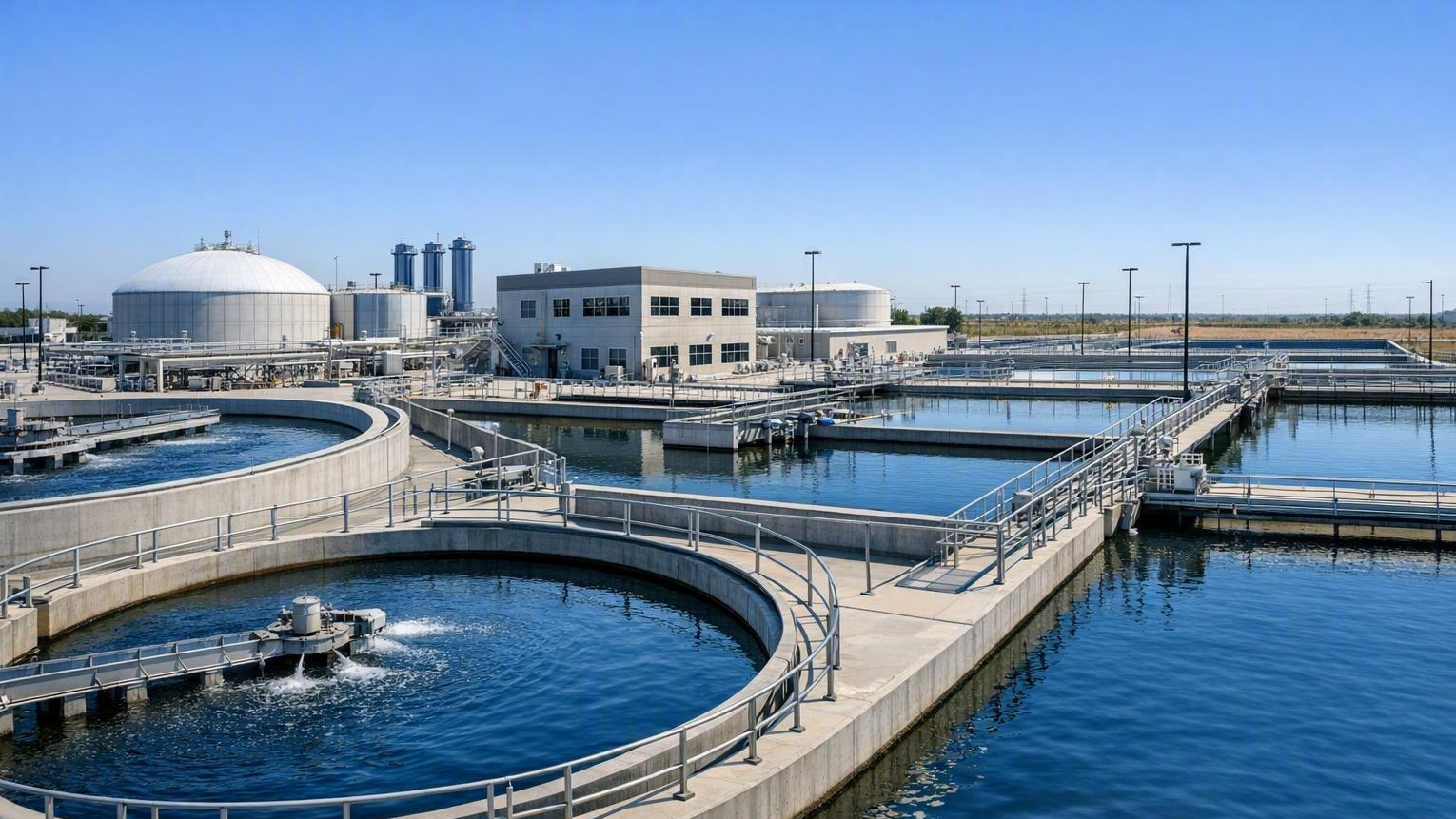
Water is the next infrastructure asset class
Meanwhile, Andile Magiba of Redefine Properties says water is the next infrastructure asset class. He says oil built the wealth of the last century, and water may build the resilience of the next, yet most investors still do not view water infrastructure as institutional real estate.
“That may be one of the biggest investment opportunities of our generation. Imagine an Infrastructure REIT that owns water treatment plants, desalination facilities and bulk water infrastructure.”
Why does the model work?
•Water is an essential service. Demand doesn't disappear during economic downturns. If the government faces growing fiscal pressure and often lacks the capital to modernise ageing water infrastructure, private capital can fund development while the government focuses on regulation, oversight and universal access. The long-term concession agreements create predictable,inflation-linked cash flows that institutional investors value.
Population growth, urbanisation and climate change are making clean water one of the world's scarcest strategic resources.
The country spent decades investing in shopping centres, offices and warehouses, Magiba says.
“The next generation of Infrastructure REITs may own something even more valuable. The systems that keep cities alive. The question isn't whether water will become a strategic investment. The question is: Who will own the infrastructure that delivers it?”
Recent News
Here are recent news articles from the Building and Construction Industry.
Have you signed up for your free copy yet?