Construction of R300m water treatment plant to serve Mthatha under way
Advertising
28-01-2026
Read : 376 times
Daily Dispatch
Source
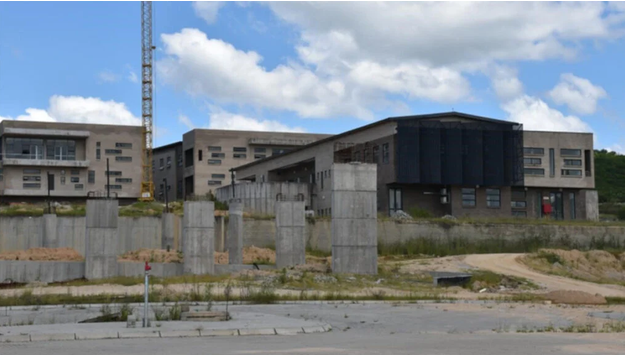
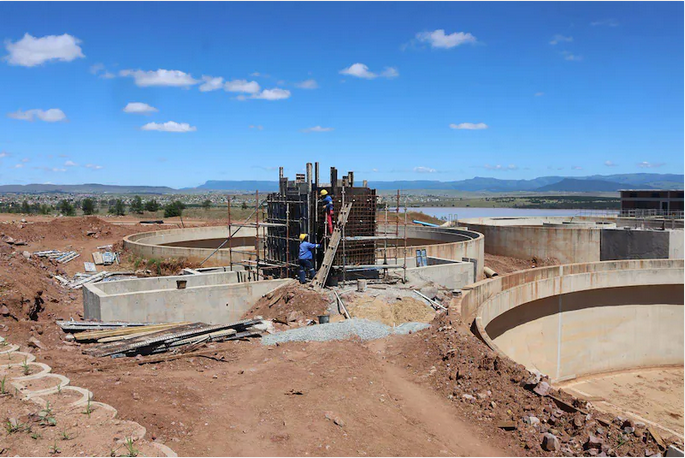
While ensuring everyone has access to clean water remains a challenge, the OR Tambo District Municipality is spending about R300m on the construction of another water treatment plant to augment the water supply to Mthatha, Libode, Ngqeleni and neighbouring Mhlontlo.
District municipality spokesperson Ncebakazi Kolwane said the building of the Highbury Water Treatment Plant in Mthatha was being done in phases.
Phase 1, completed in December 2020, saw the district municipality invest about R200m.
Part one of phase 2 focused on civil works and was completed in December 2025 at a cost of R169m.
“This current [part of] phase 2 will focus on the installation of mechanical and electrical components and is valued at more than R300m,” Kolwane said.
“The project is planned to be implemented over a period of 18 months, with the mechanical and electrical component of phase 2 currently under way.
“The Highbury Water Treatment Works will service northern and southern areas of Mthatha, extending up to 40km outside the city to include Libode and Ngqeleni.”
It is envisaged the new plant will help alleviate pressure on the Thornhill water treatment works plant in Fort Gale.
In 2024, the district council announced it had invested nearly R100m towards increasing the capacity at Thornhill from 80ML to 115ML a day.
The project is expected to be completed by May 2026.
Kolwane said the Highbury project was among many King Sabata Dalindyebo presidential intervention projects aimed at resuscitating ailing infrastructure in Mthatha and surrounds.
It was funded through the regional bulk infrastructure grant.
In 2009, it was reported that then president Jacob Zuma had announced R5bn would be spent on revitalising infrastructure in the King Sabata Dalindyebo Local Municipality and surrounding areas.
At least 286 catalytic projects were identified as part of the programme.
Last week, district municipal bosses also announced the handing over of a contractor for the Sihlitho water supply project in Port St Johns.
Kolwane said R15m had been allocated to the project through the government’s water infrastructure grant.
It would involve the sourcing of underground water through boreholes.
“This project is expected to take about eight months and will benefit the communities of Sihlitho and Nyosana villages in rural Port St Johns.”
Kolwane said the Thornhill and Highbury plants would significantly strengthen the OR Tambo municipality’s capacity to provide clean piped water across the district.
Thornhill supplied water to the central and southern areas of Mthatha, the Mthatha Airport corridor — which previously received water from the smaller Upper Mhlahlane water treatment works plant — as well as the Mqanduli corridor.
Highbury will provide water to Mthatha north, the Libode corridor and the Nqadu corridor.
“These investments will enhance system resilience, expand supply capacity and improve the municipality’s ability to provide sustainable, clean piped water across the district,” Kolwane said.
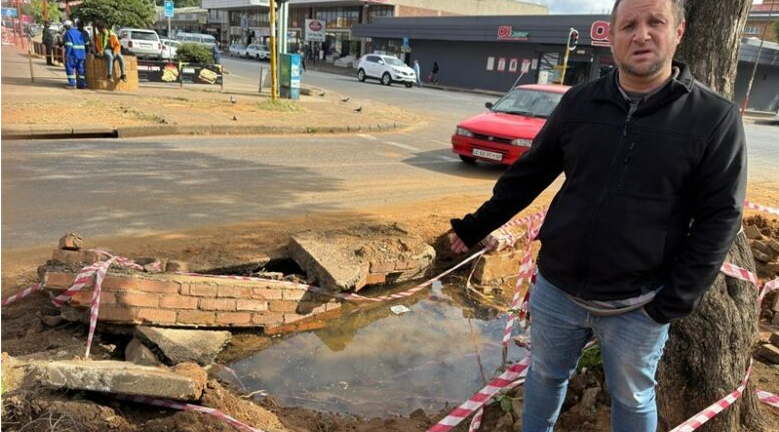
But in November 2025, district authorities admitted water leaks remained a huge challenge, with the municipality recording up to 13% in water losses through leaks every year.
As a result, the council had resolved to install bulk meters to track systems inputs and introduce leak-detection technologies to counter the problem.
District mayor Mesuli Ngqondwana had previously admitted the municipality was struggling to respond to water-related complaints from its communities, due to acute staff shortages.
Many of the positions that could strengthen capacity could not be filled yet as they were newly created and needed to undergo job evaluation by the provincial assessment committee.
This meant the department was operating at almost half the capacity required to service a geographically vast area.
Addressing a district municipal management retreat at Dan’s Country Lodge recently, Ngqondwana said what was crucial was that “where there is a tap, water should come out of that tap”.
He said while capacity had been expanded at Thornhill, experience had shown that increasing water supply was not sufficient on its own.
Equal attention needed to be paid to areas where infrastructure already existed but had failed to function reliably, leaving communities without consistent access to water.
He said community protests over water failures, though they could not be celebrated, pointed to a breakdown in the district municipality’s own internal detection mechanisms and inadequate response systems.
“These experiences underscore the need to strengthen monitoring and escalation mechanisms so that issues are addressed through normal administrative processes, without escalating into public unrest.”
Recent News
Here are recent news articles from the Building and Construction Industry.
Have you signed up for your free copy yet?