City of Joburg ramps up road repairs with Operation Restore in Midrand
Advertising
29-06-2026
Read : 200 times
Midrand Reporter
Source
City of Johannesburg rolls out accelerated service delivery programme in Wards 112 and 132 to tackle potholes, road maintenance backlogs, and ageing infrastructure.
“JRA, you need to step in and step up…”
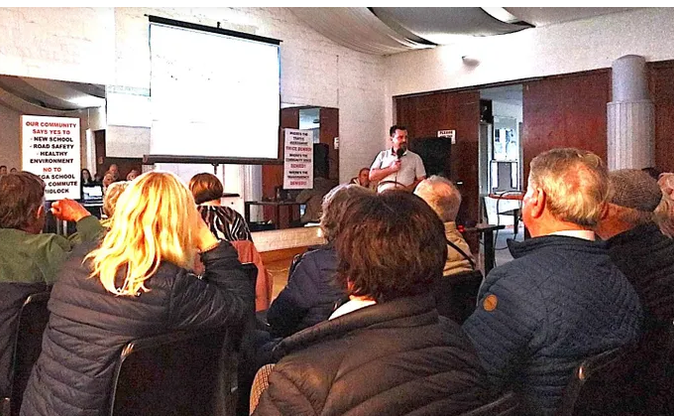
Those were the words of Ward 112 councillor Lerato Mphefo as she challenged Johannesburg Roads Agency (JRA) officials over longstanding service delivery issues during the launch of Operation Restore in Midrand on June 18.
Addressing residents, MMC for Transport Kenny Kunene, JRA CEO Zweli Nyathi, Region A acting director Macmillan Papi Telekoa, Ward 132 councillor Annette Deppe and other officials, Mphefo expressed frustration over unresolved infrastructure problems, some of which she said date back several years.
“As councillors, our work is to do oversight. We recently raised issues of JRA in our council forum meetings. Our urban inspector drives around logging calls and submits weekly reports to JRA. We meet them in council forums and Section 79 committees, and we use council processes to escalate these matters,” said Mphefo.
“Councillors don’t patch potholes. MMCs don’t patch potholes. The CEO needs to tell residents why key performance indicators are not being met, why service level agreements are not being met, and whether depots have the resources they need to do the work. If they do have the resources, why is the work not being done?”
Mphefo revealed that several issues raised by the ward’s urban inspector remain unresolved despite being reported repeatedly.
“From the weekly reports of our urban inspector, we still have items outstanding from 2024. We have items outstanding from 2025 and now 2026. This is not the first operation of this nature. The last one came with promises that were not delivered on.”
Among the concerns raised was the traffic light at the intersection of Whisken Avenue and Seventh Road, which Mphefo said has been out of operation for more than two years despite repeated engagements with JRA.
“I even secured a donor willing to repair or fund the repairs of the traffic light, but we were told there was no provision within JRA for such an arrangement. Our residents are continuously damaging their vehicles because of potholes and sitting in traffic because traffic lights are not working…”
Responding to the concerns, Telekoa acknowledged residents’ frustrations and urged officials to ensure the programme produces tangible results. “When we have an opportunity like Operation Restore, it should not be one of the shows. It must be different. Residents need to see that their issues are being resolved,” he said.
“All work that has been outstanding for the past year or years must receive attention. Where there are challenges, they must be communicated so there is a better understanding between residents and the entity.”
Nyathi said Midrand’s road network remains largely functional but requires consistent maintenance. “When you look at Midrand, it has a good layout. What it needs is maintenance,” said Nyathi.
“When you see something, don’t wait for residents to report it. We use the same infrastructure, and we have a responsibility to ensure it is maintained.”
Nyathi assured residents that Operation Restore would not be a once-off intervention. “We will continuously do this and monitor progress. We will do our best to make sure that the infrastructure is restored.”
Deppe welcomed the programme but said residents were primarily seeking efficient delivery of basic services. “All residents are asking for is level one service delivery. They want road markings painted, street lines visible at night, and potholes fixed on the main roads,” she said.
Kunene explained that Operation Restore was introduced in 2023 to accelerate service delivery amid declining staffing levels within JRA. “Years ago, a JRA team would have more than 30 people. Today, if you’re lucky, a team has six,” said Kunene.
“Operation Restore allows us to bring teams from different regions together to maximise work in a specific area before they return to their normal operations.”
He added that Johannesburg’s ageing underground infrastructure remains one of the leading causes of recurring potholes.
“The roads were built a long time ago. Much of the infrastructure beneath them is ageing. You patch a pothole, it rains, water gets in, and another pothole develops. That is why we see more potholes during the rainy season.”
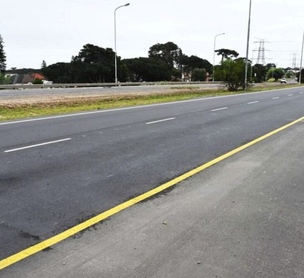
Planned interventions during the week-long programme included pothole repairs, sinkhole repairs, traffic-calming measures on Segal Road, road markings around schools, road signage upgrades, rebuilding a KI structure at Linbro Business Park on Maple Road, and reinstatement work at the Swiss Country Club and surrounding areas.
Recent News
Here are recent news articles from the Building and Construction Industry.
Have you signed up for your free copy yet?