Cape Town roads get R4 billion infrastructure boost
Advertising
31-08-2026
Read : 4 times
Cape Town Etc
Source
Cape Town has recorded its biggest-ever annual capital spend on urban mobility, with more than R4 billion channelled into roads, public transport infrastructure and projects aimed at improving movement across the city.
The spending includes R2,54 billion in capital expenditure by the City’s Urban Mobility Directorate during the 2025/26 financial year, alongside a further R1,633 billion allocated through the Public Transport Network Grant for the expansion of the MyCiTi system.
The figures, released by the City of Cape Town yesterday, show a significant increase in infrastructure delivery compared with the previous financial year, with capital expenditure up by almost R1 billion.
Major road projects reshape key routes
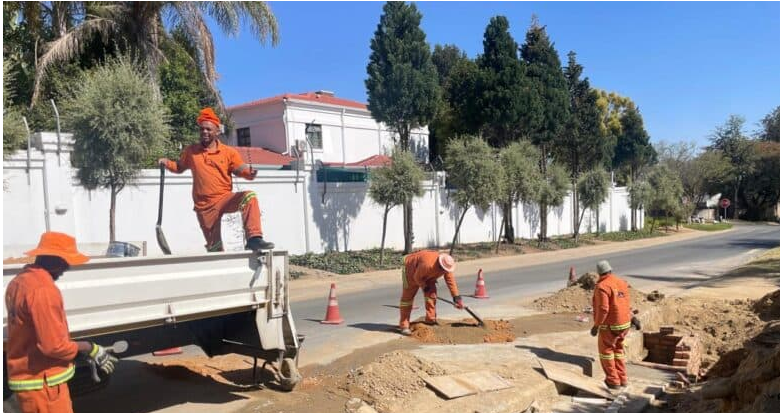
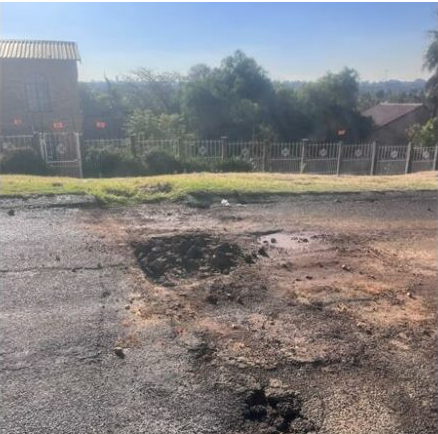
A substantial portion of the investment has gone towards rehabilitating and upgrading Cape Town’s extensive road network.
More than 200 km of roads were resurfaced during the financial year, while major rehabilitation projects were undertaken on routes including Jakes Gerwel Drive, Jan van Riebeeck Road, La Belle Road and roads in Bishop Lavis.
The City’s road network stretches across nearly 10 700 km, making regular maintenance a major component of keeping the metropolitan area operational.
More than R1 billion from the operational budget was spent on road maintenance and stormwater infrastructure, including over R140 million on stormwater cleaning and maintenance.
MyCiTi expansion gathers pace
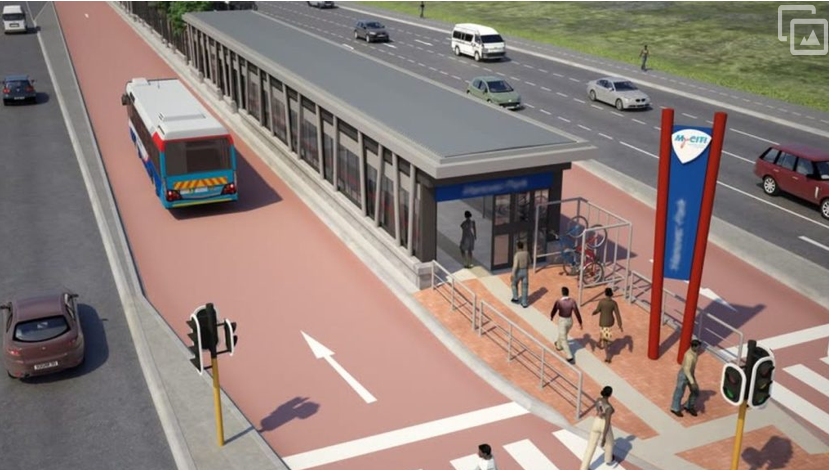
The investment is also laying groundwork for the next stage of Cape Town’s MyCiTi expansion, as the City spent R1,633 billion through the Public Transport Network Grant on infrastructure required to extend the bus system into the metro-south east, with services planned between the area and Claremont and Wynberg.
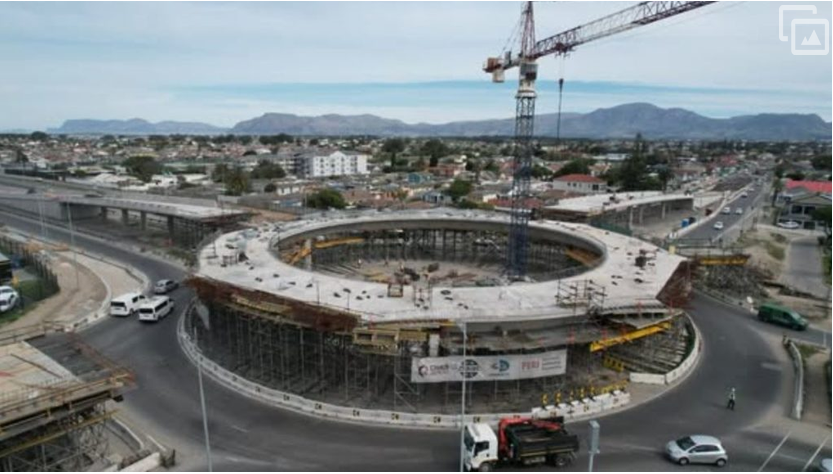
Projects underway include the Sky Circle development in Lansdowne, works along AZ Berman Drive in Mitchells Plain and upgrades along Imam Haron Road, Turfhall Road, Govan Mbeki Road and Heinz Road.
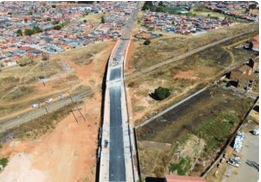
Construction of the Claremont bus station is also progressing, while work on the Duinefontein bridge at the intersection of Duinefontein Road and Govan Mbeki Road forms part of the wider infrastructure programme.
The City said the R1,633 billion achieved through the public transport infrastructure programme was its highest level of delivery to date and exceeded the amount initially considered achievable by R533 million.
The transition towards a more modern public transport network is also reflected in the procurement of Cape Town’s first battery-electric bus fleet.
Around R500 million was spent on acquiring the electric buses, while the existing MyCiTi fleet is also undergoing refurbishment and its validators are being replaced.
Traffic signals and school safety also receive funding
Urban mobility spending has also reached the systems that motorists encounter at intersections every day.
The Transport Network Management Department spent about R65 million on preventative maintenance, equipment and upgrades designed to keep signalised intersections operational.
The work included the recabling of 32 intersections, upgrades to 42 traffic signal controllers and vehicle-detection improvements at 19 intersections.
Twelve of the upgraded controllers were installed in underground chambers as a measure aimed at reducing exposure to theft and vandalism.
Traffic signal plans were also reviewed and reprogrammed along six city corridors in an effort to improve traffic flow.
Meanwhile, traffic-calming measures were installed near 82 schools and at 20 other locations across Cape Town.
The scale of the expenditure comes against a backdrop of delays and operational challenges affecting major infrastructure projects.
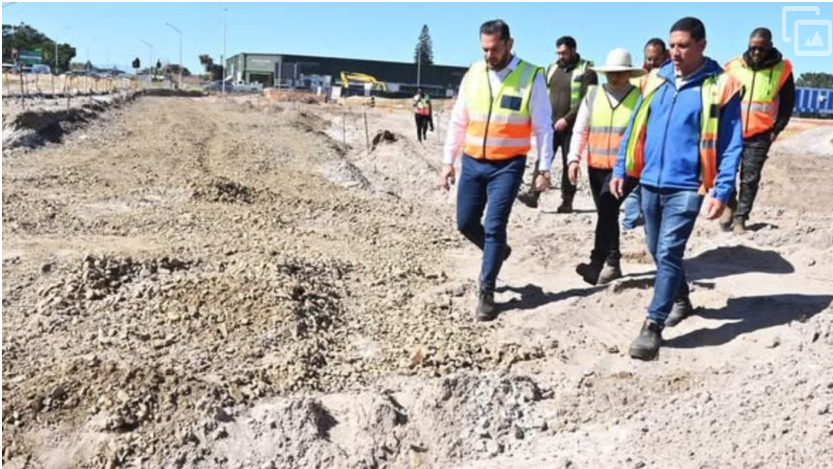
Mayoral Committee Member for Urban Mobility Councillor Rob Quintas said project teams have had to contend with factors including extortion, community unrest, security requirements, utility relocations and adverse weather.
‘These are not excuses, but the harsh reality of working in an environment where a lot is beyond our control, apart from planning ahead and making sure we have a solution for whatever happens on site,’ Quintas said.
He credited project managers and the wider Urban Mobility team for maintaining progress through complex conditions, including working at night and engaging with communities and stakeholders.
The pace of infrastructure delivery accelerated towards the end of the financial year, with more than R600 million spent during June 2026 alone.
The City said the 2025/26 capital expenditure was about R1 billion higher than the previous financial year, marking a substantial increase in the value of infrastructure delivered.
Quintas said the investment was aimed at maintaining existing infrastructure while preparing Cape Town’s transport network for future demand.
‘Where residents have seen our teams working, they can rest assured that we have and are spending public money on what it is intended for,’ he said.
Recent News
Here are recent news articles from the Building and Construction Industry.
Have you signed up for your free copy yet?