Cape Town out-investing other cities on infrastructure
Advertising
25-03-2026
Read : 7 times
Cbn
Source
Cape Town Mayor Geordin Hill-Lewis says Cape Town is on track to achieve greater infrastructure investment than all three Gauteng metros combined.
The Mayor was speaking at the launch of the City’s latest Infrastructure Report, which shows how Cape Town is South Africa’s leading metro for infrastructure investment. See the full report here: https://www.capetown.gov.za/Family%20and%20home/Meet-the-City/city-reports/infrastructure-reports
Cape Town has a R120bn 10-year infrastructure pipeline overall – a South African record. Around 130 000 construction-related jobs will flow from capital investment in the current term of office alone, with an economic impact of R17bn.
To meet the infrastructure needs of a growing city, Cape Town has raised the level of investment, with the 27/28 draft capital budget more than double the size of the first budget of this term (R14,7bn vs R6,9bn in 22/23). By 27/28, the City’s capital budget will also exceed that of all three Gauteng metros (R14,4bn combined).
Overall, 45% of investment is in Basic Services (Water, Sanitation, Energy), with 18% for Transport, 11% for Housing, and 8% for Public Spaces and Amenities.
‘We are building South Africa’s city of hope by investing in the basic infrastructure needed to support a working city. In this way, future Cape Town will be an even better place to live, with vastly improved infrastructure, especially in our fastest growing lower-income communities.
‘Not only are we on track to outspend all three Gauteng metros combined during this term of office, a full 75% of Cape Town’s infrastructure budget directly benefits lower income households over the next three years for better water, sanitation, roads, sporting facilities and communities,’ said Mayor Hill-Lewis.
Comparing Cape Town to Gauteng metros:
- Just the 75% pro-poor portion of Cape Town’s capital budget exceeds Joburg’s entire capital budget (in 25-26 that amounts to R10bn pro-poor spend in Cape Town vs Joburg’s total R8.7bn capital budget).
- Cape Town has invested more in infrastructure than Joburg and Tshwane combined over the term of office to date. Cape Town’s actual capital spending is R25,7bn vs R22,8bn for Joburg and Tshwane from 22-23 to 24-25.
- Cape Town is also on track to outspend all three Gauteng metros combined based on current spending patterns in this term of office.
- One of the starkest examples of the investment gap, is how Cape Town’s sewer and water pipe replacements far exceed all Gauteng metros combined.In 2024/25, Cape Town replaced three times more water and sewer pipe than Johannesburg, Tshwane and Ekurhuleni combined — and has more than doubled its replacement rate in four years, while Gauteng metros remain below their 2022/23 peak.
Total kilometres of sewer & water pipes replaced 22-23 / 23-24 / 24-25:
Cape Town: 401km
Joburg: 98km
Tshwane: 58km
Ekhuruleni: 26km
Infrastructure investment highlights
Cape Town’s latest Infrastructure Report highlights key areas of strategic expenditure over the next decade.
New programmes – including accelerated Pipe Replacement, the Energy Transition, and support for micro-developers to build more Small-Scale Rental Units — show the City’s dynamic and future-focused infrastructure agenda to adapt to rapid growth.
Some highlights by infrastructure category:
Transport
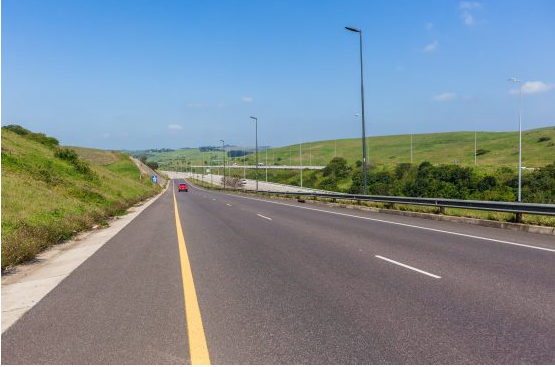
Public transport investment focus remains the multi-billion rand MyCiTi expansion, from Mitchells Plain / Khayelitsha and communities across the metro’s south-east, the biggest project of its kind in South Africa. The medium-term portfolio has been expanded to include additional road reconstruction, rehabilitation, and stormwater projects. Outer-year investment relates to transport corridor development and congestion relief initiatives.
Water and Sanitation
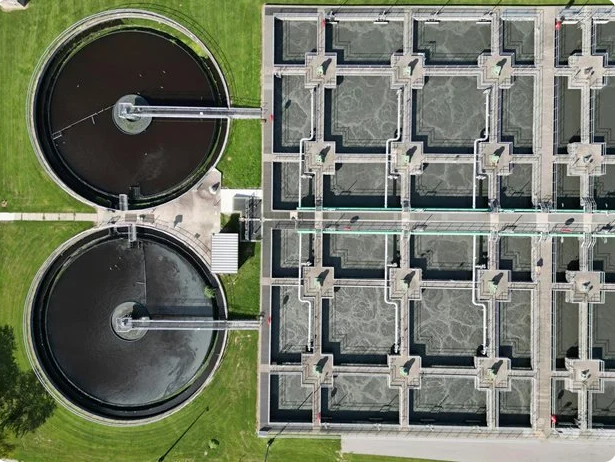
The New Water Programme strategy will increase and diversify the City’s drinking water supply by between 70 and 100 million litres per day over time. Wastewater expansions and sludge re-use projects through 2039 will support population growth and urban development. Resilience and service reliability is being strengthened by distribution network investments, pump station upgrades, and public-private partnership mechanisms.
Waste
The City is expanding current landfill, with Coastal Park height expansion on track pending approval (2026) as well as the Vissershok South landfill cell extension. New landfill is to be completed by 2036.
Energy
Cape Town is emerging as a national leader in municipal energy transition, building a resilient, affordable, and low-carbon energy system. The City is investing in generation projects, energy efficiency, and grid upgrades to enable a dynamic, decentralised energy future.
Pro-poor spending highlights for the 25/26 MTREF include:
- R4,5 billion for SA’s biggest public transport project by any City, the new MyCiTi Bus route linking Khayelitsha, Mitchells Plain and various other communities to Wynberg/Claremont
- Bringing down sewer spills and water pipe bursts by replacing 100km of sewer and 50km of water pipes per year mostly in lower-income communities, a R2bn project
- Major bulk sewer upgrades such as the Cape Flats sewer upgrade, which is SA’s biggest sewer upgrade project benefitting over 300 000 households
- Major Wastewater works upgrades, including the recently completed R4bn Zandvliet plant upgrade, which serves the whole Khayelitsha and beyond
- Road upgrades, repairs and congestion relief – R3,5bn
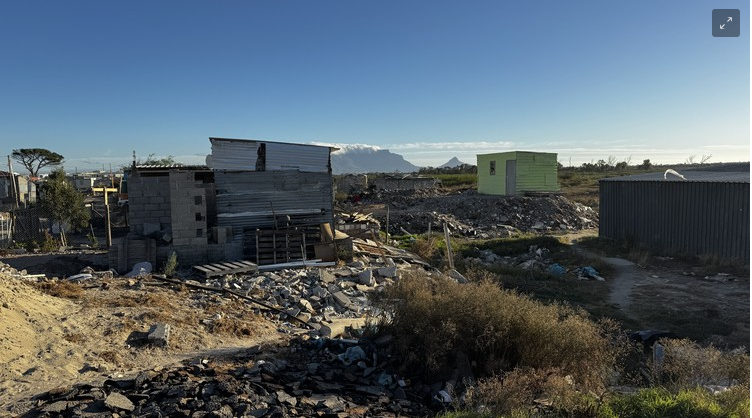
- Informal settlement upgrades – R3,4bn
- Street light upgrading and repair – R1bn
- Public Transport station upgrades – R397m
- Informal trading infrastructure upgrades – R272m
Recent News
Here are recent news articles from the Building and Construction Industry.
Have you signed up for your free copy yet?