Builders congregate in Johannesburg for sector’s ‘Codesa’

Advertising
07-04-2014
Read : 123 times
BusinessDay
Source
THE first Civilution Congress, under way in Johannesburg, has been tipped as a "country-changing" road map for the public and private sectors’ infrastructure build ambitions.
The congress, a play on the words "civil engineering revolution", is being driven by the likes of the South African Institution of Civil Engineering and Ketso Gordhan, the CEO of South Africa’s largest cement manufacturer, PPC — who was the first to call for an "infrastructure Codesa" in July last year.
The Convention for a Democratic South Africa (Codesa) was a series of talks that helped usher in the democratic era in 1994. Given the country’s propensity for violent labour action, support has been building for "an economic Codesa".
But notably absent from the confirmed guest list were heads of state departments, despite these "custodians of infrastructure" having been invited, Saice CEO Manglin Pillay said on Friday. The "civilution movement" had the potential to be "country changing".
In this regard, the congress intended to address the need for technical professionals "to start playing a co-operative and contributory role in where our country is going", Mr Pillay said.
For the successful implementation of the state’s infrastructure programme, the public sector needed the help of the private sector and vice versa. "This, I hope, is the launch of a Codesa for the built engineering and infrastructure environment," Mr Pillay said.
"This is not a discussion that you have once-off and put to bed. We want to start this year — launch a Codesa for the built environment and then pick it up again next year and see what we ... achieved."
South Africa’s multitrillion-rand infrastructure programme is yet to show real signs of life, although the private sector expects a gradual pick-up in activity after the national election.
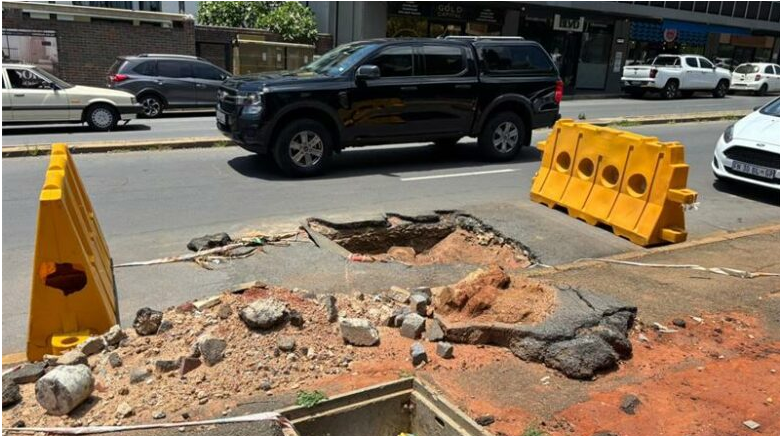
Mr Pillay said South Africa needed "to act fast" as its world-class infrastructure was rapidly deteriorating. But trust between the public and private sectors remains dented after collusive practices in pre-World Cup tendering processes were uncovered — among the matter that the congress aims to address.
Mr Gordhan said in an interview in February that he had been meeting with various government departments to explore new and innovative ways to deliver infrastructure quicker and cheaper — with an initial focus on schools and sanitation.
He will present his ideas about this at the conference in a high-profile panel discussion on the National Development Plan that also features Minister in the Presidency Trevor Manuel, Sanral CEO Nazir Alli, and City of Johannesburg’s municipal manager, Trevor Fowler.
Other speakers at the event are representatives from engineering bodies and also Public Protector Thuli Madonsela, who will speak on corruption.
Engineers and other private sector infrastructure role players needed "to get with the times and set aside any pessimism, and we need to start becoming part of the solution again", Mr Pillay said.
"We’re engineers — we claim to be solution providers and strategists. So why not use that in a practical way and start helping the public sector ... working with them to take the country forward," he added.
While all private sector players needed to collaborate in supporting the government’s infrastructure build plans, the congress also afforded the state an opportunity to seek the help of the private sector in formulating strategies and providing "technical direction".
"As much as government has the drive and decision-making authority and so on, their hands are tied if they don’t have the technical capacity."
Recent News
Here are recent news articles from the Building and Construction Industry.
Have you signed up for your free copy yet?