2026 Construction Outlook: Cost Certainty, Local Resilience, and Smarter Building Decisions
Advertising
23-01-2026
Read : 159 times
Infrastructure News
Source
South Africa’s construction industry enters 2026 in a constrained yet evolving position. While macroeconomic pressures persist, demand remains steady in residential estates, mixed-use developments, and refurbishment projects, particularly where long-term durability and cost efficiency are prioritised.
Construction contributes approximately 4% of South Africa’s GDP, with forecasts indicating gradual stabilisation rather than rapid expansion through 2026. In this environment, project viability is increasingly determined by cost predictability, supply reliability, and lifecycle performance rather than volume-driven growth.
Rising costs of imported building materials continue to weigh heavily on the sector. Currency volatility, combined with global freight pressures, has amplified the price sensitivity of projects and increased exposure to supply disruptions. As a result, import substitution and local manufacturing capability are becoming strategic advantages rather than secondary considerations.
Materials selection is undergoing a fundamental reassessment. Studies show that up to 70% of a building’s total lifetime cost is incurred after construction, driven largely by maintenance, repair, and replacement. This has shifted decision-making away from lowest-cost inputs toward materials that deliver predictable long-term performance across South Africa’s varied climate conditions, including high UV exposure, heat, coastal corrosion, and seasonal rainfall variability.
Operational realities are also influencing material choices. Ongoing infrastructure constraints and skills shortages are placing pressure on construction timelines, increasing demand for materials that simplify installation, reduce dependency on specialised labour, and minimise ongoing maintenance requirements.
Technology adoption, while uneven, is gaining traction. Manufacturers are increasingly using data-driven planning and AI-enabled forecasting tools to manage demand volatility, optimise raw-material usage, and maintain consistent quality despite external pressures. These efficiencies are becoming critical in a market where margins remain tight and delays are costly.Key forces shaping
South African construction in 2026 include:
- Cost certainty over upfront price: Lifecycle value and maintenance reduction now outweigh initial material costs.
- Local manufacturing resilience: Shorter supply chains reduce exposure to currency swings and logistics disruption.
- Climate-appropriate materials: Performance under heat, UV, moisture, and coastal conditions is essential.
- Labour efficiency: Materials that reduce installation complexity and maintenance burden are increasingly favoured.
- Sustainability with economic impact: Environmental performance is closely tied to long-term operational savings.
“In South Africa, the market has become highly pragmatic,” says Craig Parker, COO of Eva-Last composite building materials.
“Developers and contractors are prioritising materials that perform reliably over time, reduce downstream costs, and introduce certainty into projects at a time when uncertainty has become the norm.”
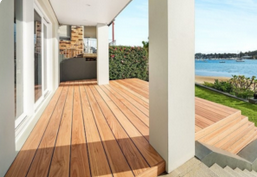
“That is precisely where Eva-Last has invested, engineering composite building materials for long service life, dimensional stability, and minimal maintenance in demanding local conditions. By reducing replacement cycles and ongoing upkeep, builders are able to protect project budgets while delivering spaces that continue to perform long after completion.” Looking ahead, the trajectory of South Africa’s construction sector will be shaped less by headline growth and more by smarter building decisions, positioning innovation-led, performance-driven manufacturers at the forefront of sustainable progress.
Recent News
Here are recent news articles from the Building and Construction Industry.
Have you signed up for your free copy yet?